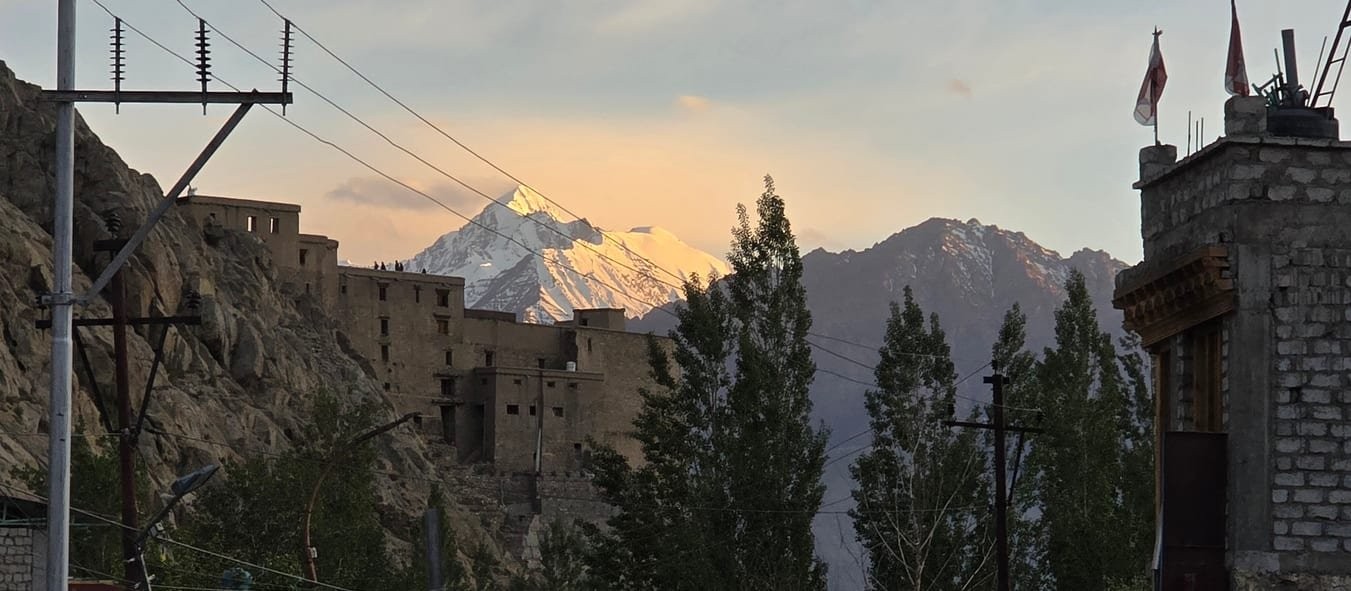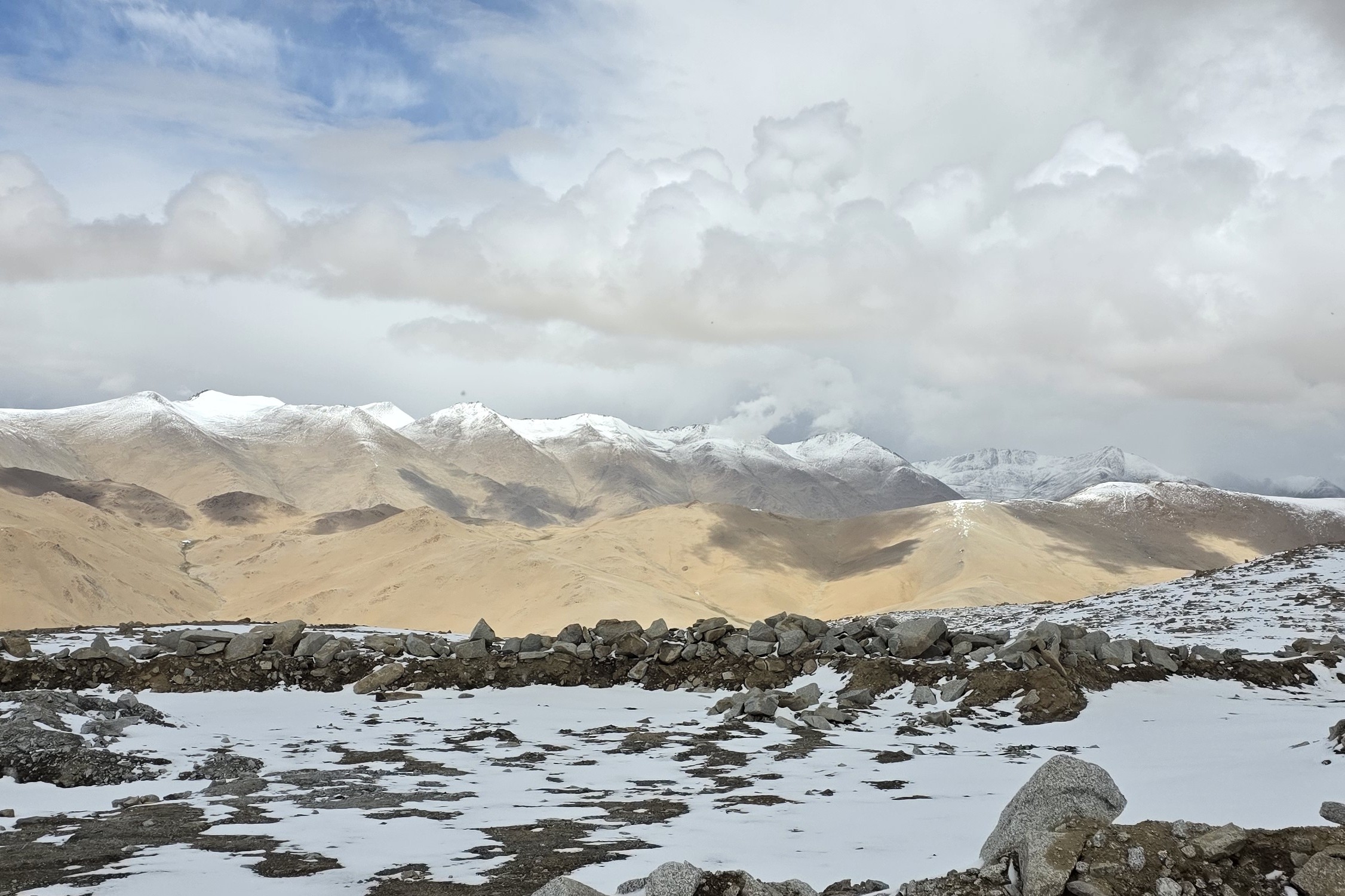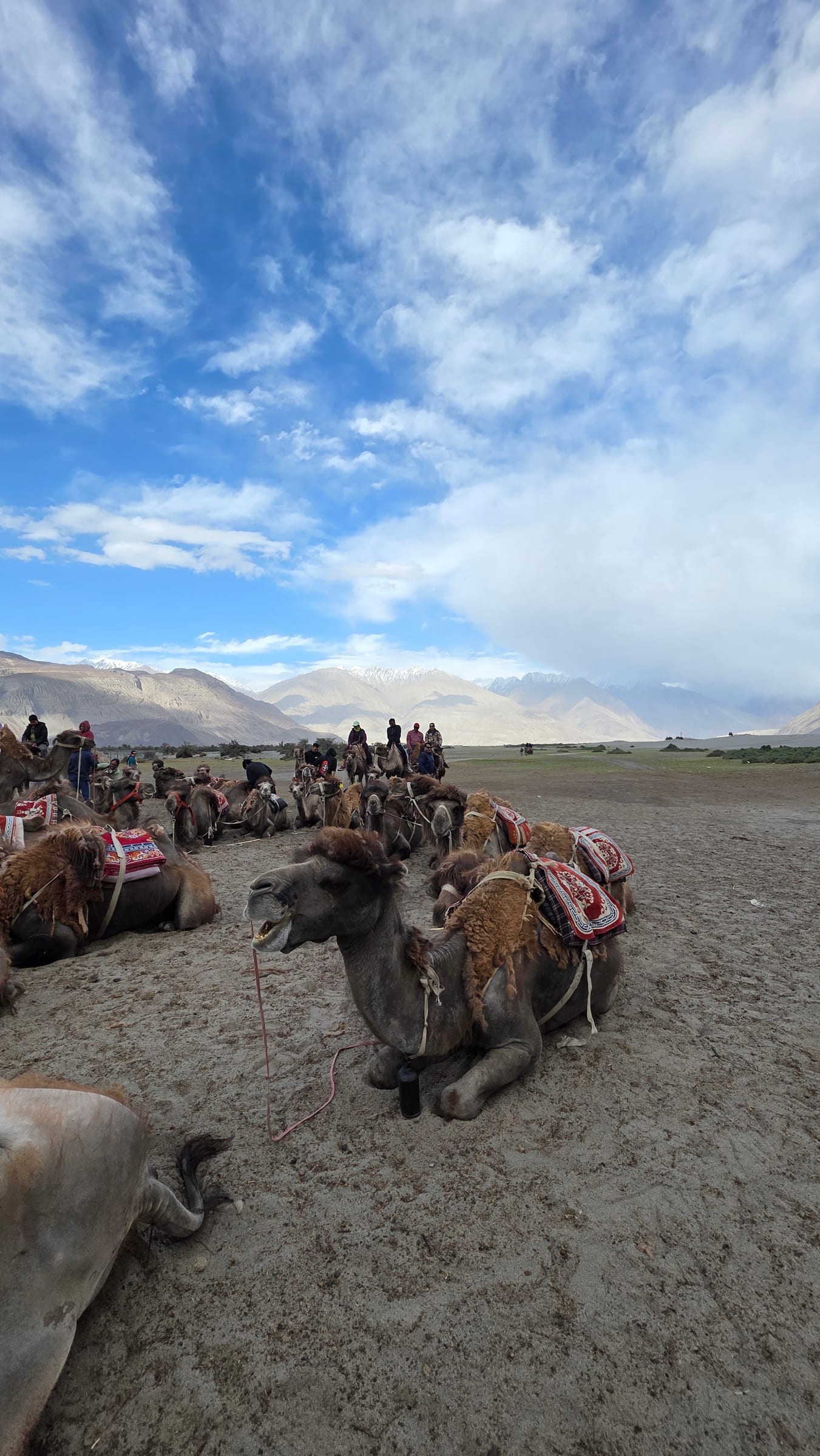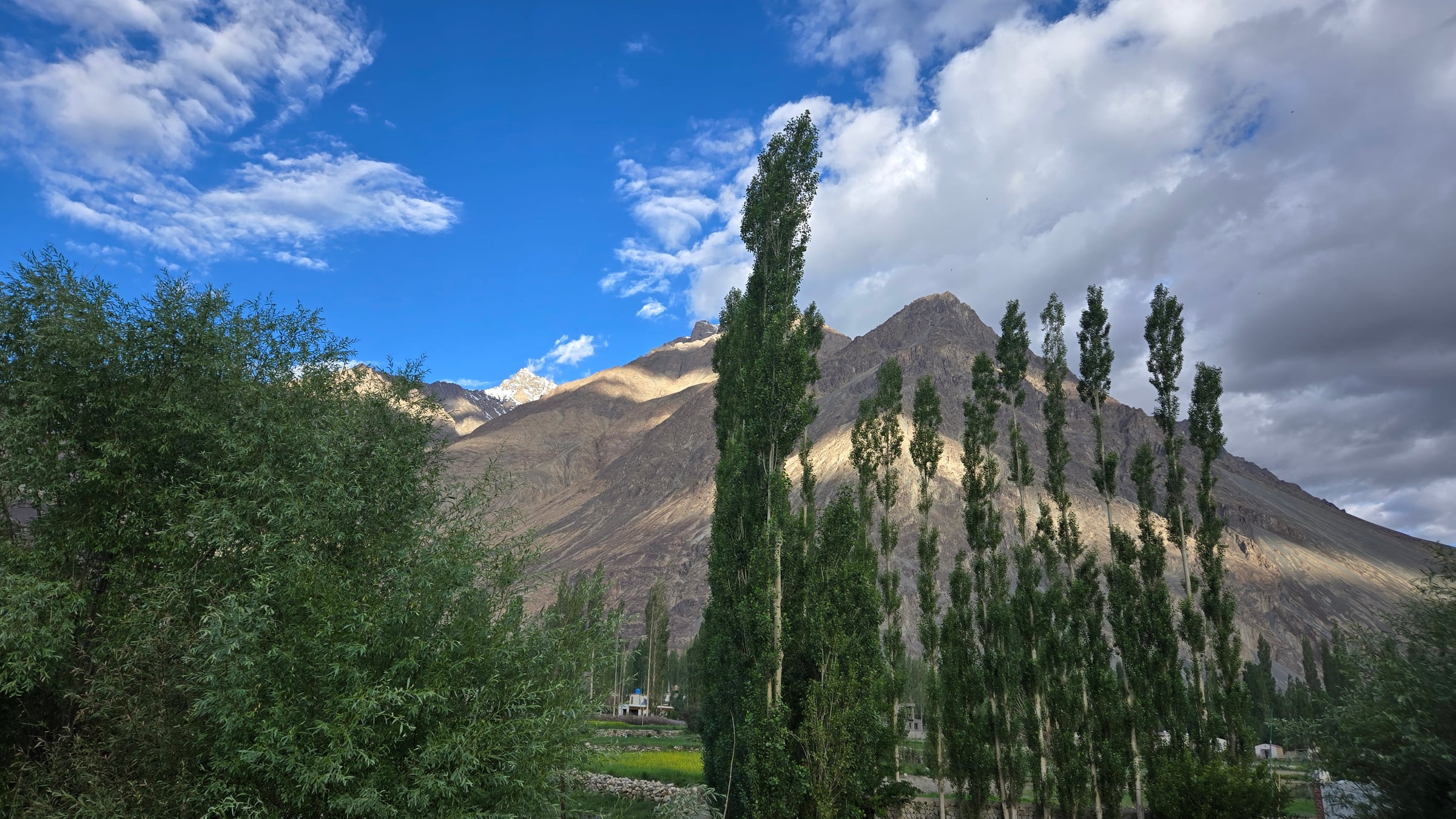
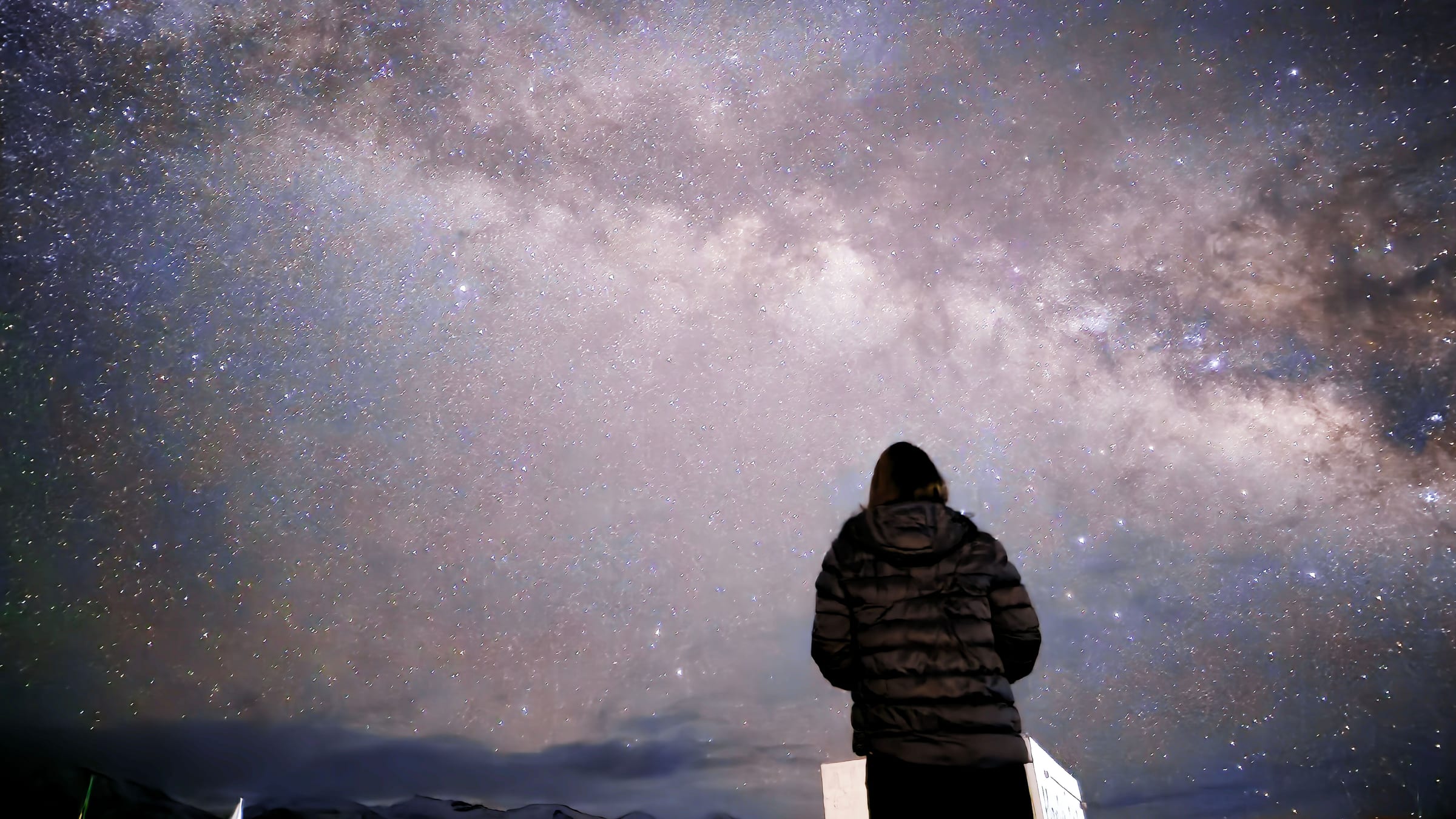
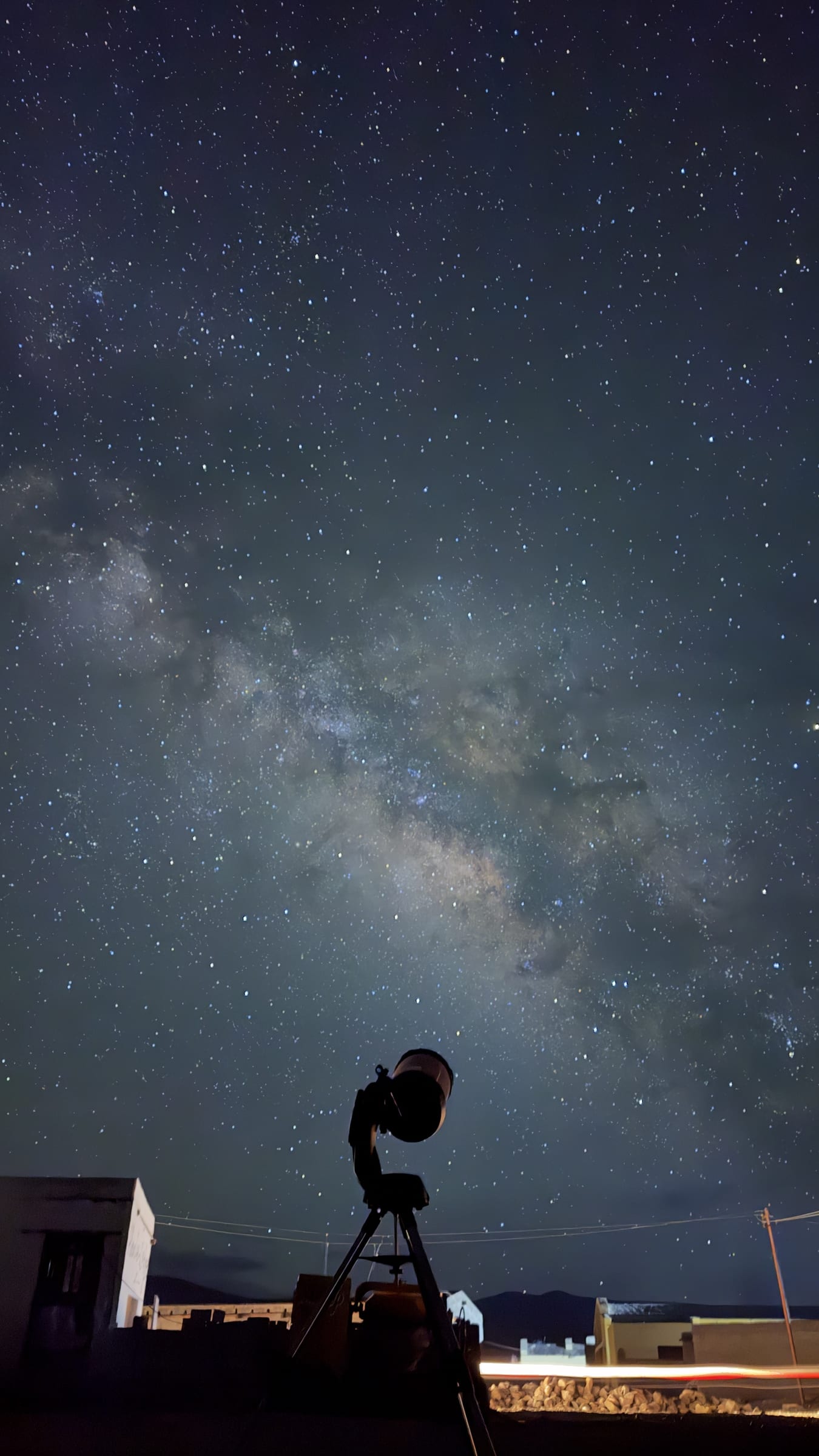
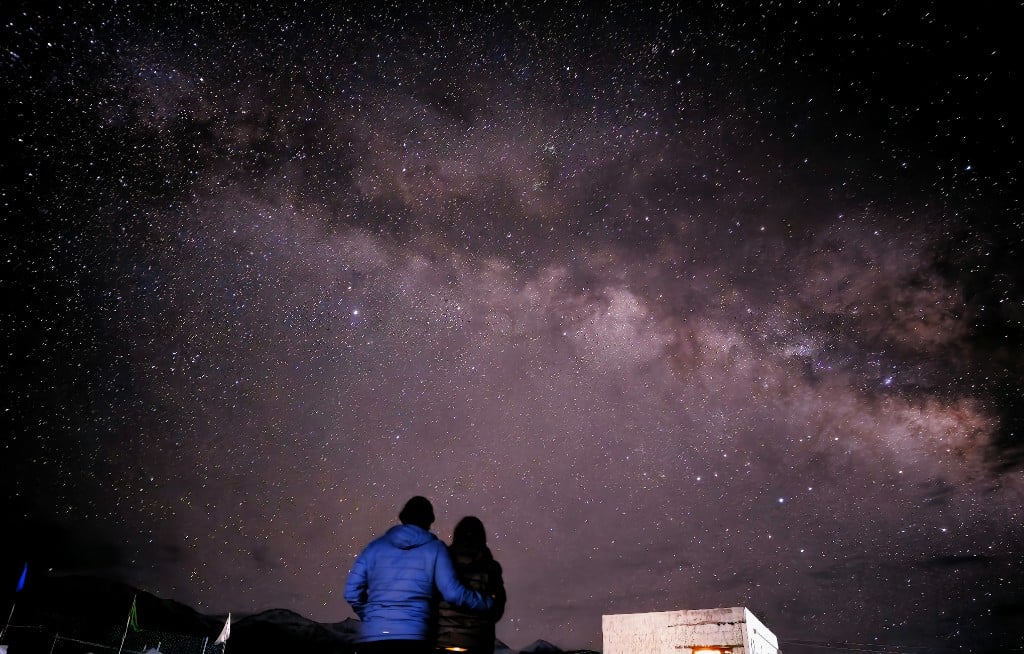
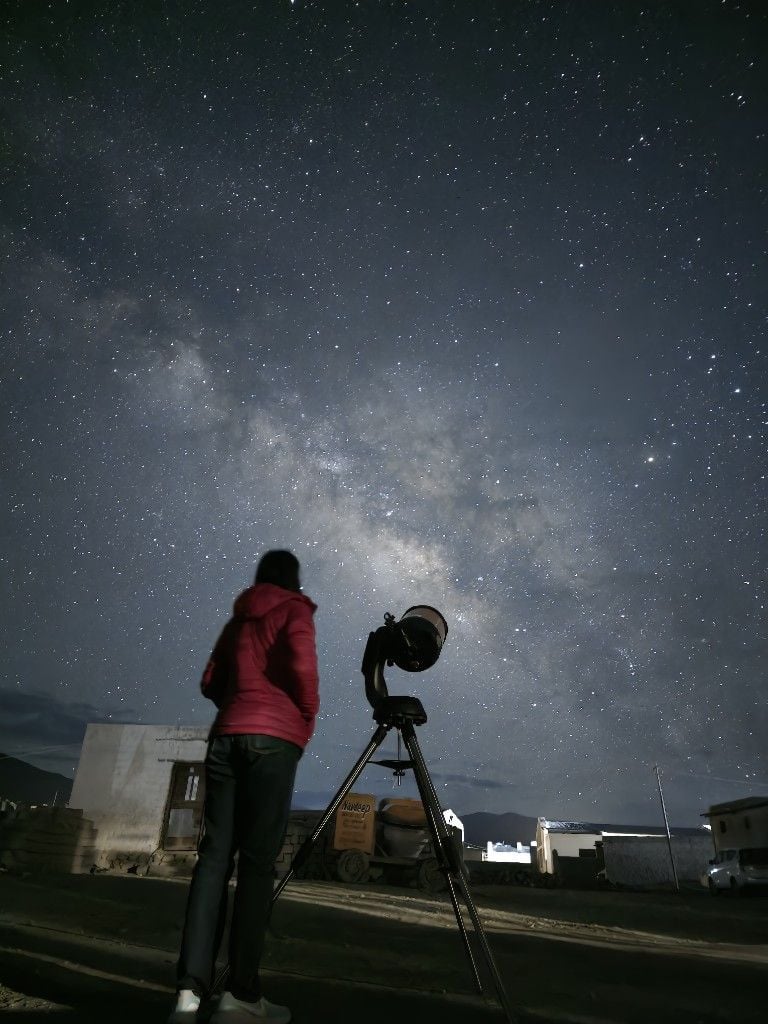
Hanle became India's first Dark Sky Reserve in 2022, protecting roughly 1,073 square kilometres of night sky around the Indian Astronomical Observatory. You don't need a telescope to notice the difference, the Milky Way is visible here with the naked eye on a clear night. The observatory itself is a separate, more limited visit, daylight hours only, and there's nothing to look through even then, it's a working research facility, not a viewing gallery. Foreign nationals can visit Hanle with a Protected Area Permit arranged through a registered Leh agency.
Most places in Ladakh earn their reputation from what you can see. Hanle earns it from what you can't, no streetlight, no headlight glow, no ambient haze between you and the sky. It's a strange thing to travel this far for an absence, but that absence is exactly what made Hanle India's first Dark Sky Reserve, and exactly why the Milky Way shows up here as a visible band of light instead of a phrase in a textbook.
India's first Dark Sky Reserve
In 2022, Hanle became India's first Dark Sky Reserve, a roughly 1,073 square kilometre buffer around the Indian Astronomical Observatory where artificial light is deliberately kept out.
- Camps and homestays in the area use red lighting after dark and keep it low, not for atmosphere, but because it's the only way the sky stays this dark.
- It's a small inconvenience that does exactly what it's meant to.
The observatory you can't just walk into
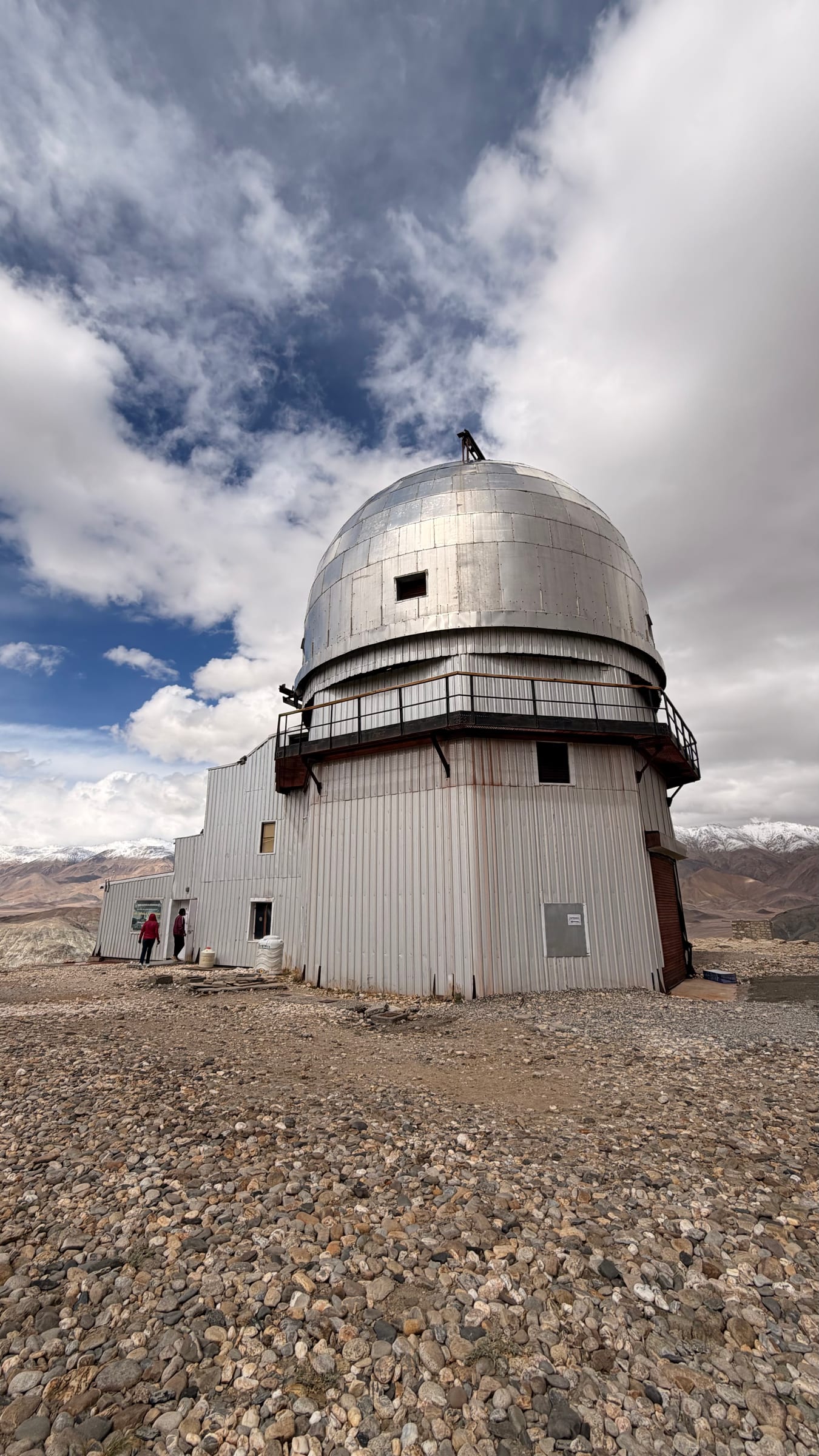
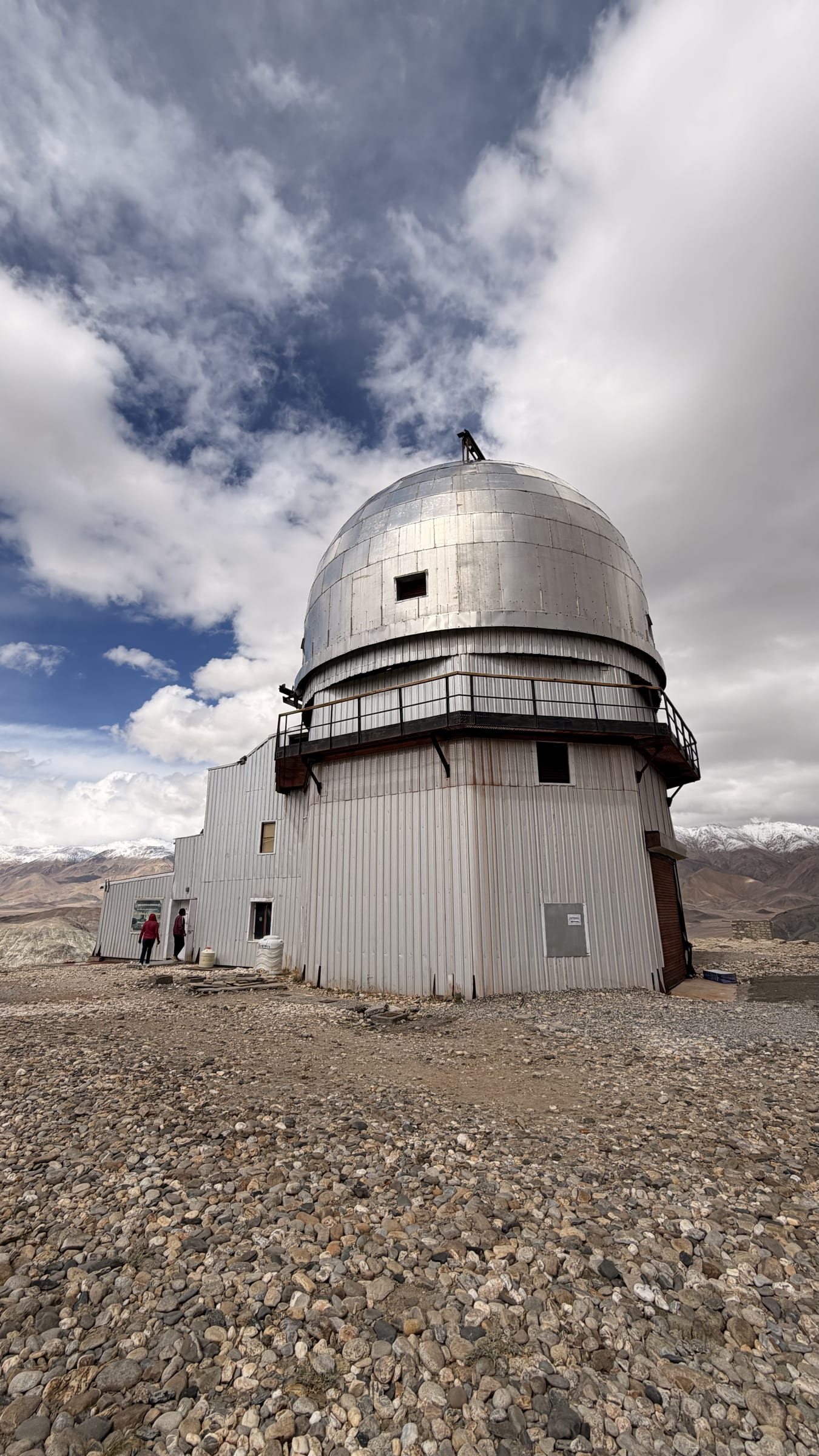
The Indian Astronomical Observatory sits above the village at 4,517 metres. Its main instrument, the Himalayan Chandra Telescope, isn't even run from here, astronomers operate it remotely by satellite link from Bengaluru, over 2,500 km away.
- You can visit during daylight hours, sign the visitor log, and see the dome, but there's nothing to look through.
- No telescope at IAO is available for public viewing, day or night, it's a working research facility, not a viewing gallery.
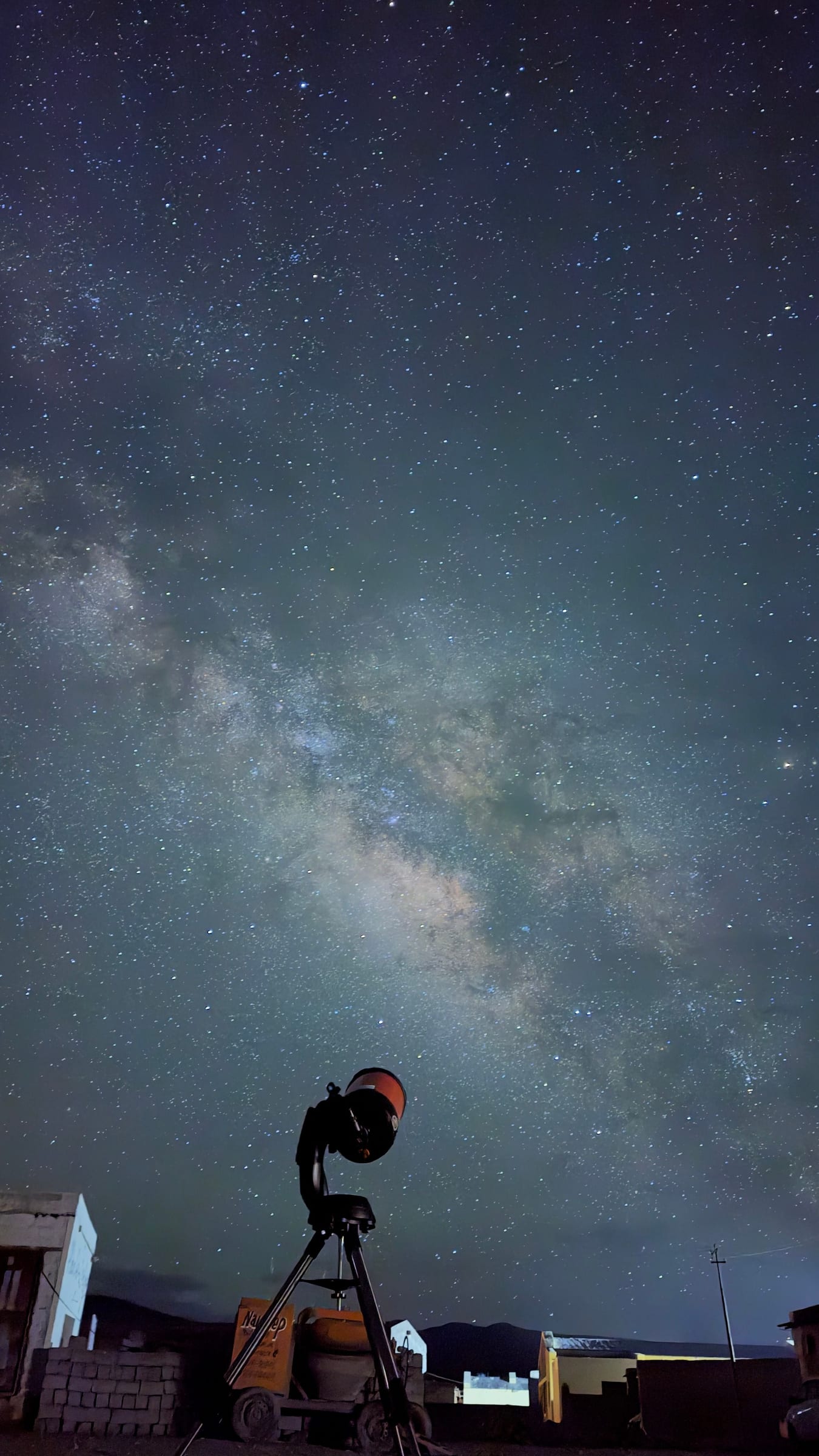
- The actual stargazing happens separately, through the village's own homestays and camps, most of which run their own telescopes.
The drive out
Hanle is a full day's commitment either way.
- About 270 km from Leh via Upshi, Chumathang and Nyoma, around 6 hours in good conditions.
- Most people come from Leh directly; it is also done as the last leg of a loop through Pangong or Tso Moriri.
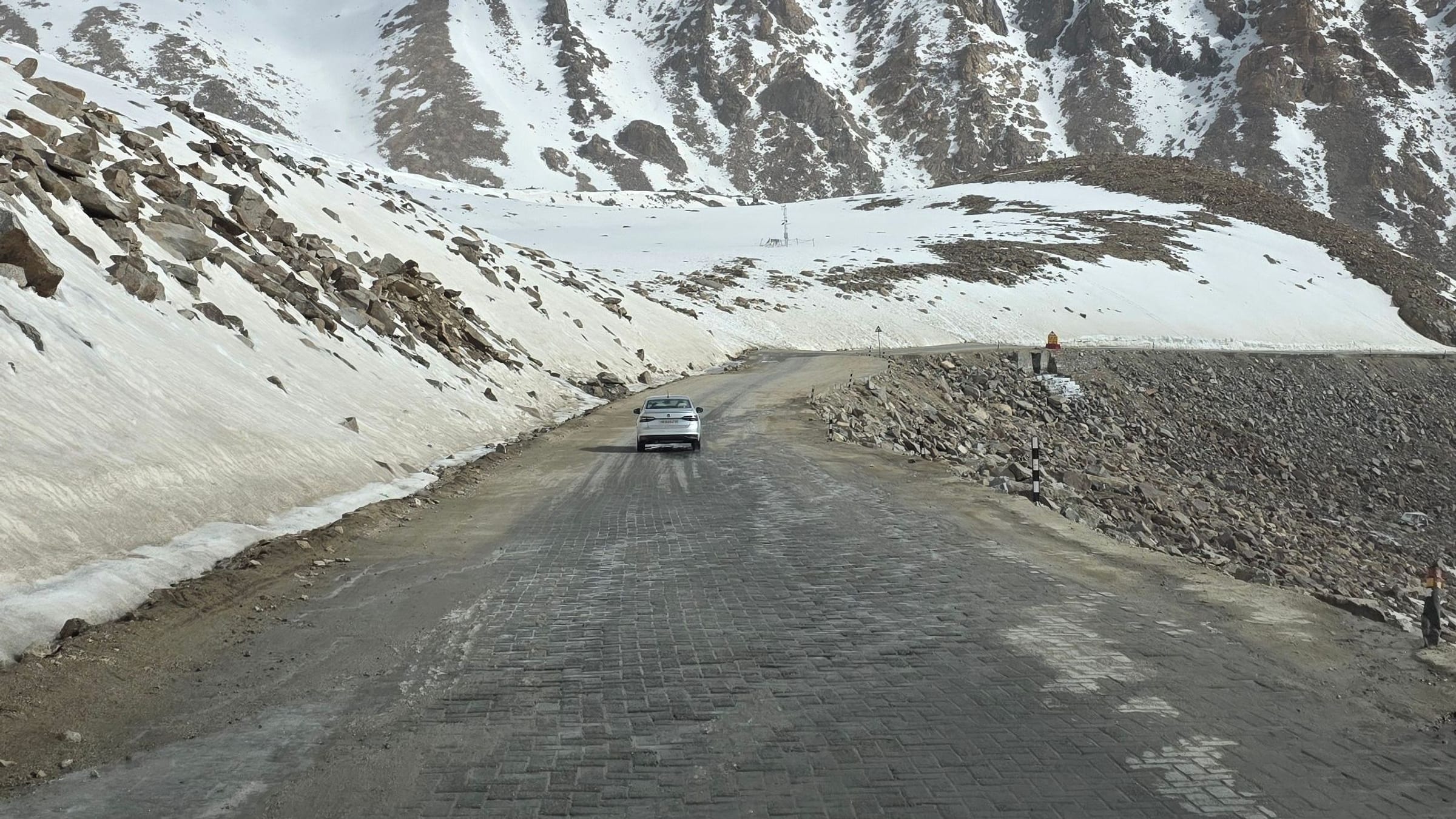
- You end up higher than Leh, not lower, which is easy to forget this deep into a trip.
The same road continues further to Umling La, still the highest pass you can actually drive to. It is restricted to Indian citizens only, so if you are travelling on a Protected Area Permit, Hanle is where this route ends for you.
Everywhere else, the dark is a problem to solve. Here, it's the whole reason to come.
How we plan this into a trip
We never send anyone to Hanle straight from Leh. It goes in after a few acclimatized days elsewhere, since the observatory site sits higher again and the cold at night is real even in peak summer. For foreign travellers, we handle the Protected Area Permit through our registered Leh partner ahead of time, and we book the astro-stay early since good ones fill up fast around clear, moonless nights.
Chasing a dark sky?
Tell us when you're travelling, and we'll build the permits and the acclimatization days around a clear night in Hanle.