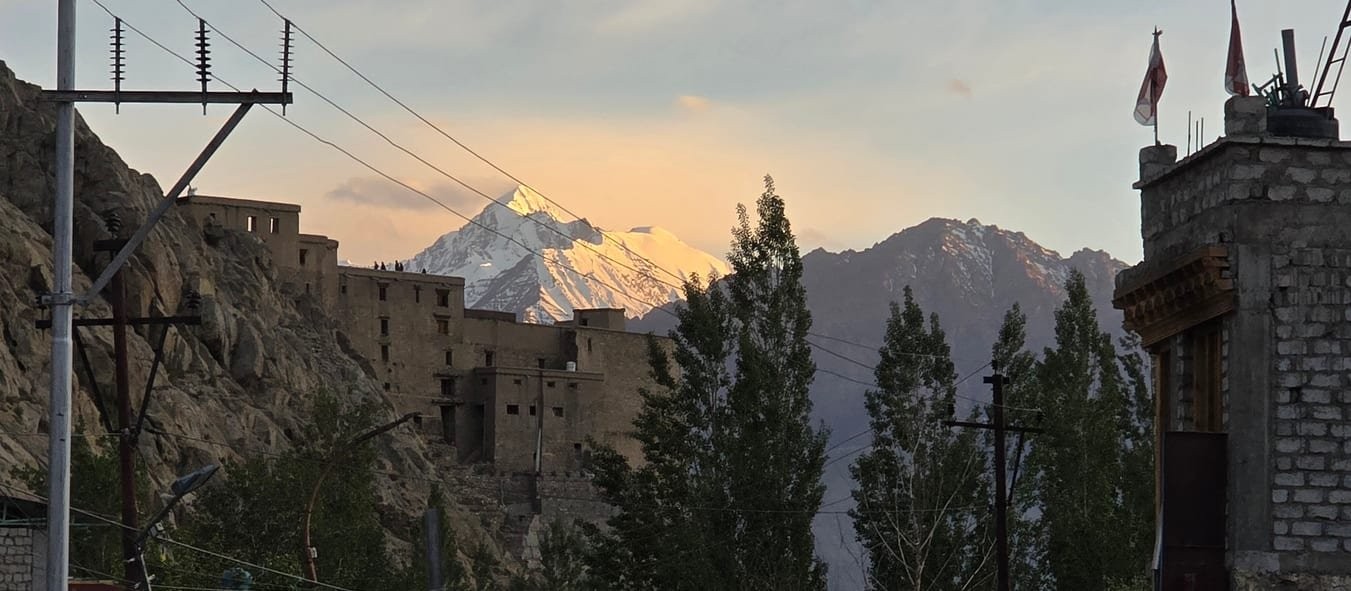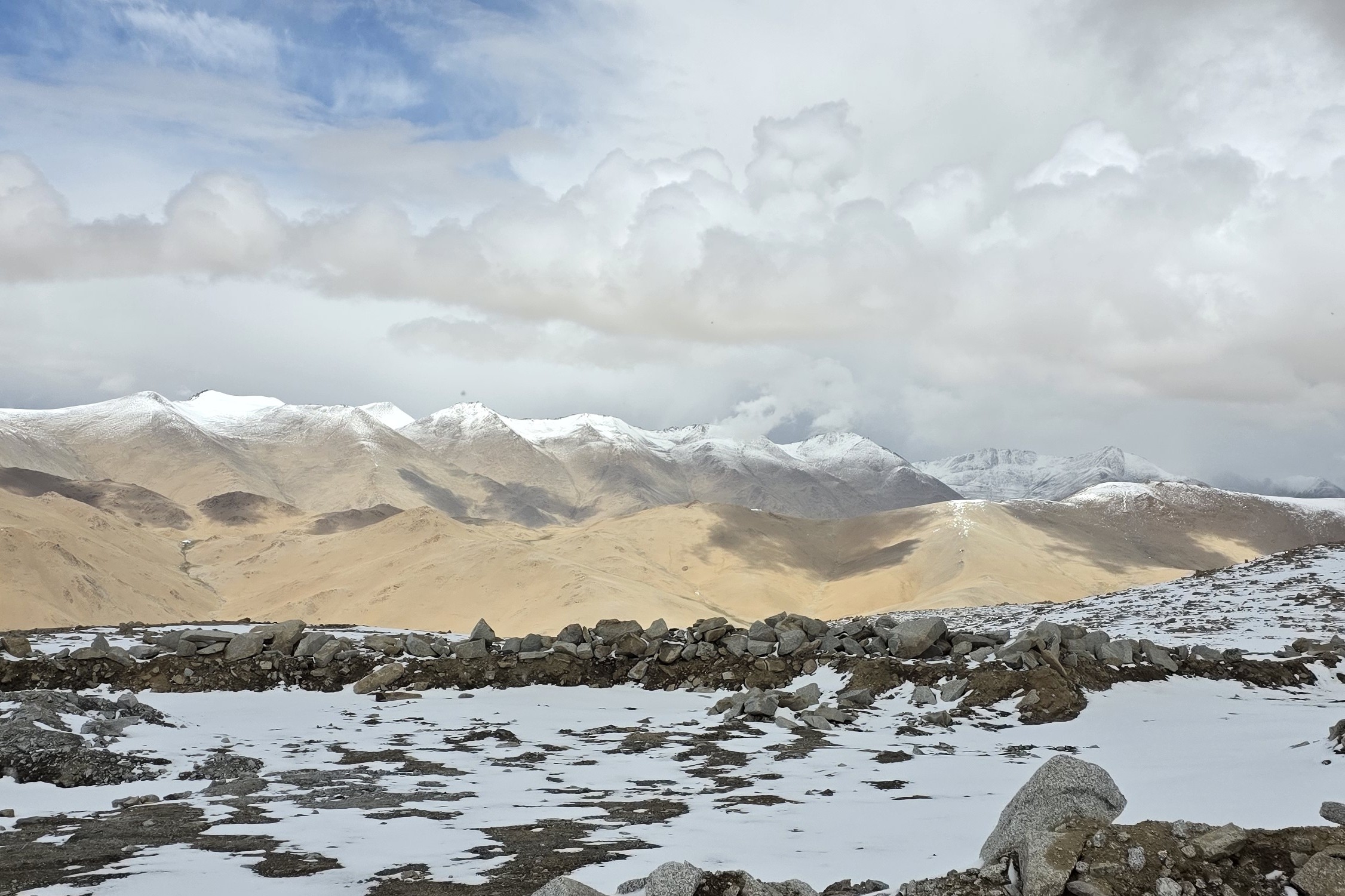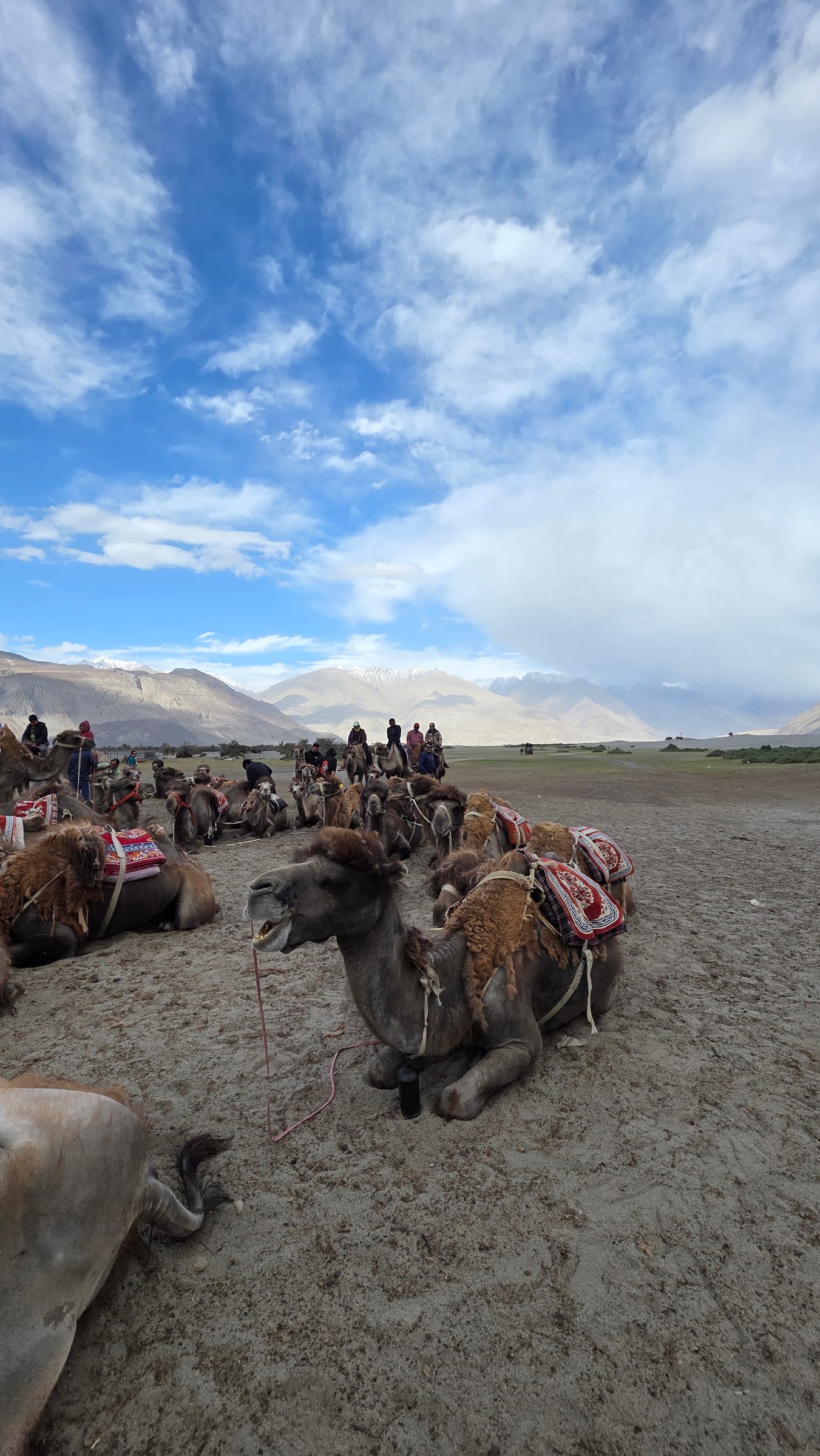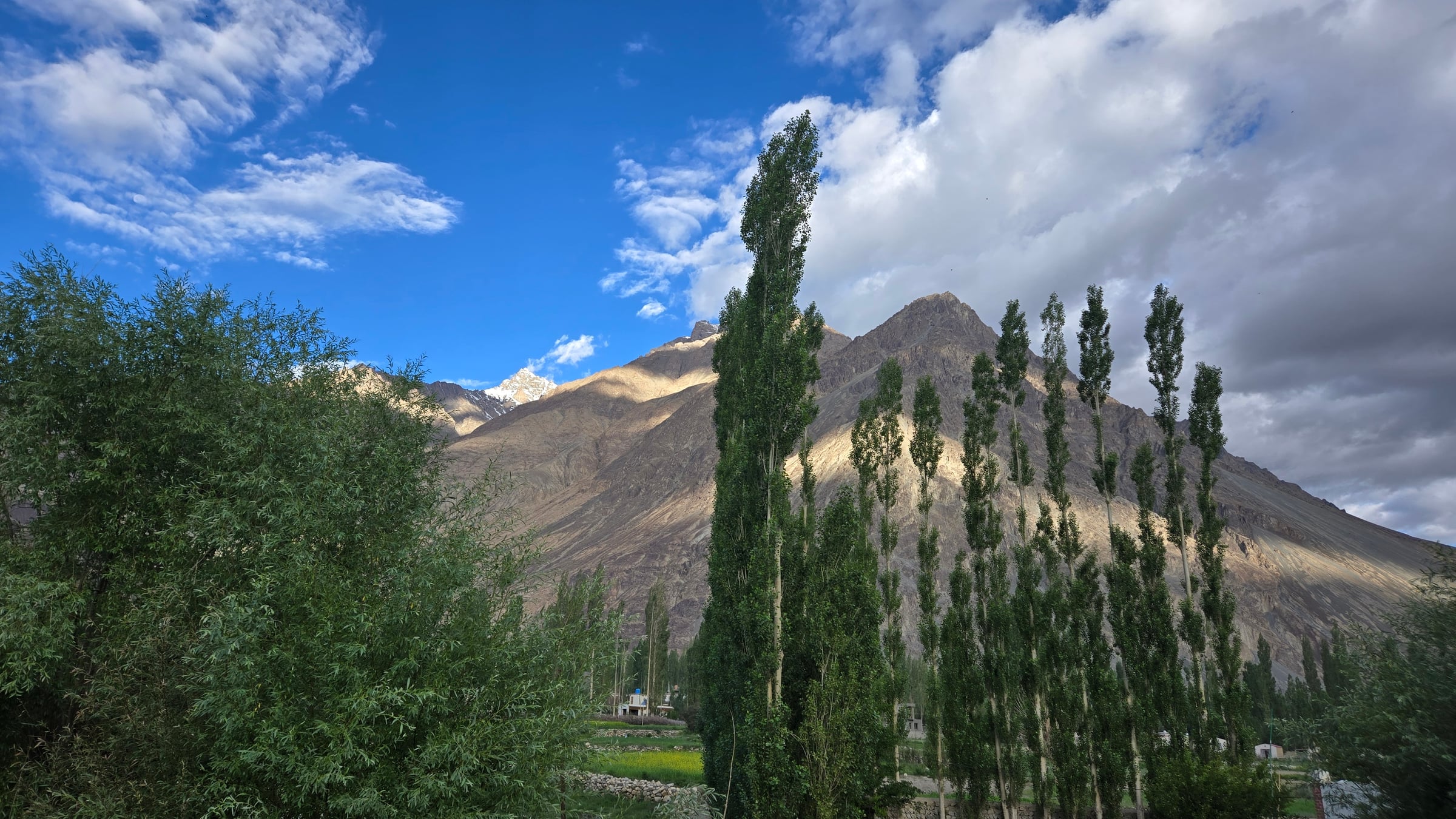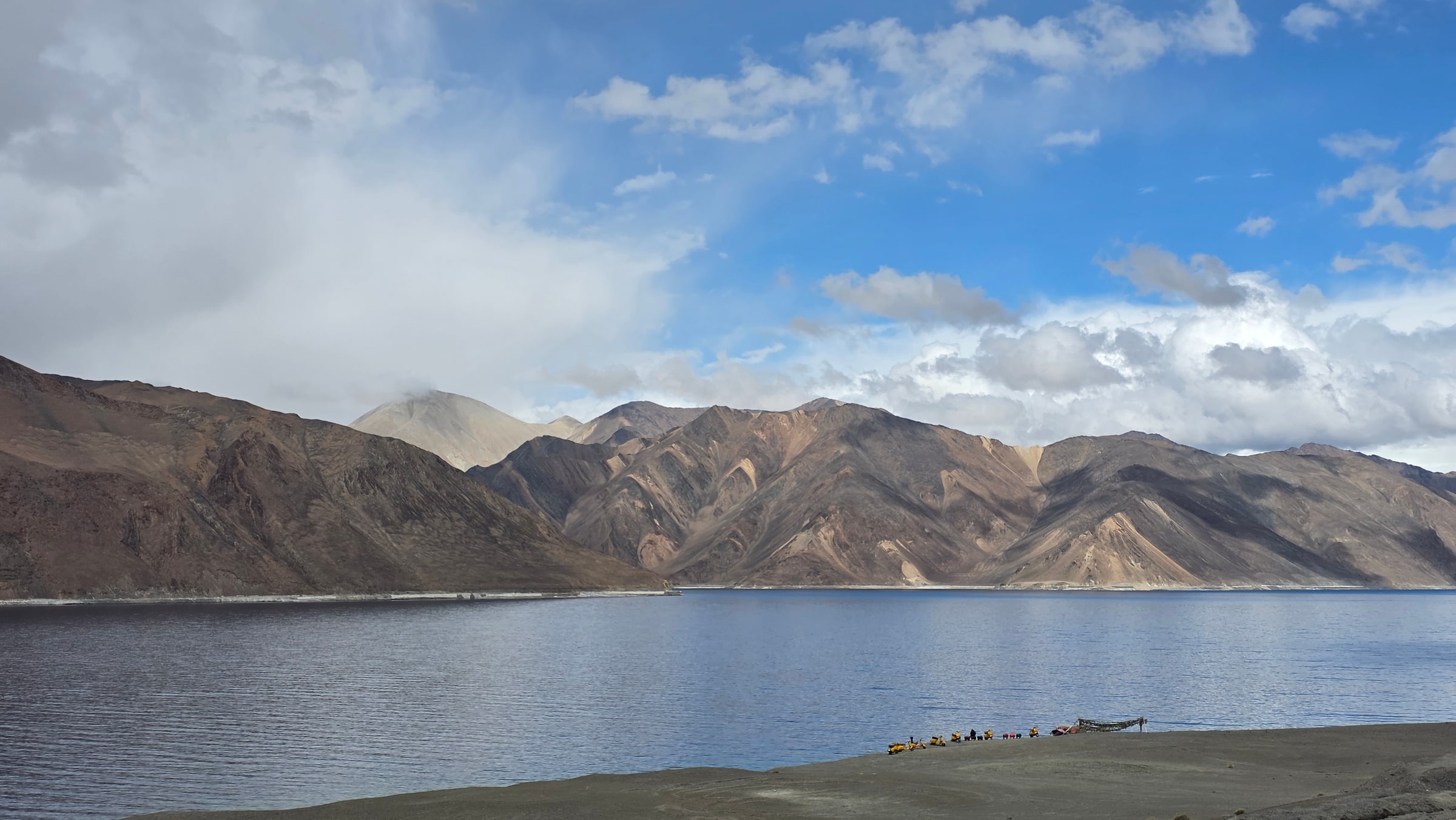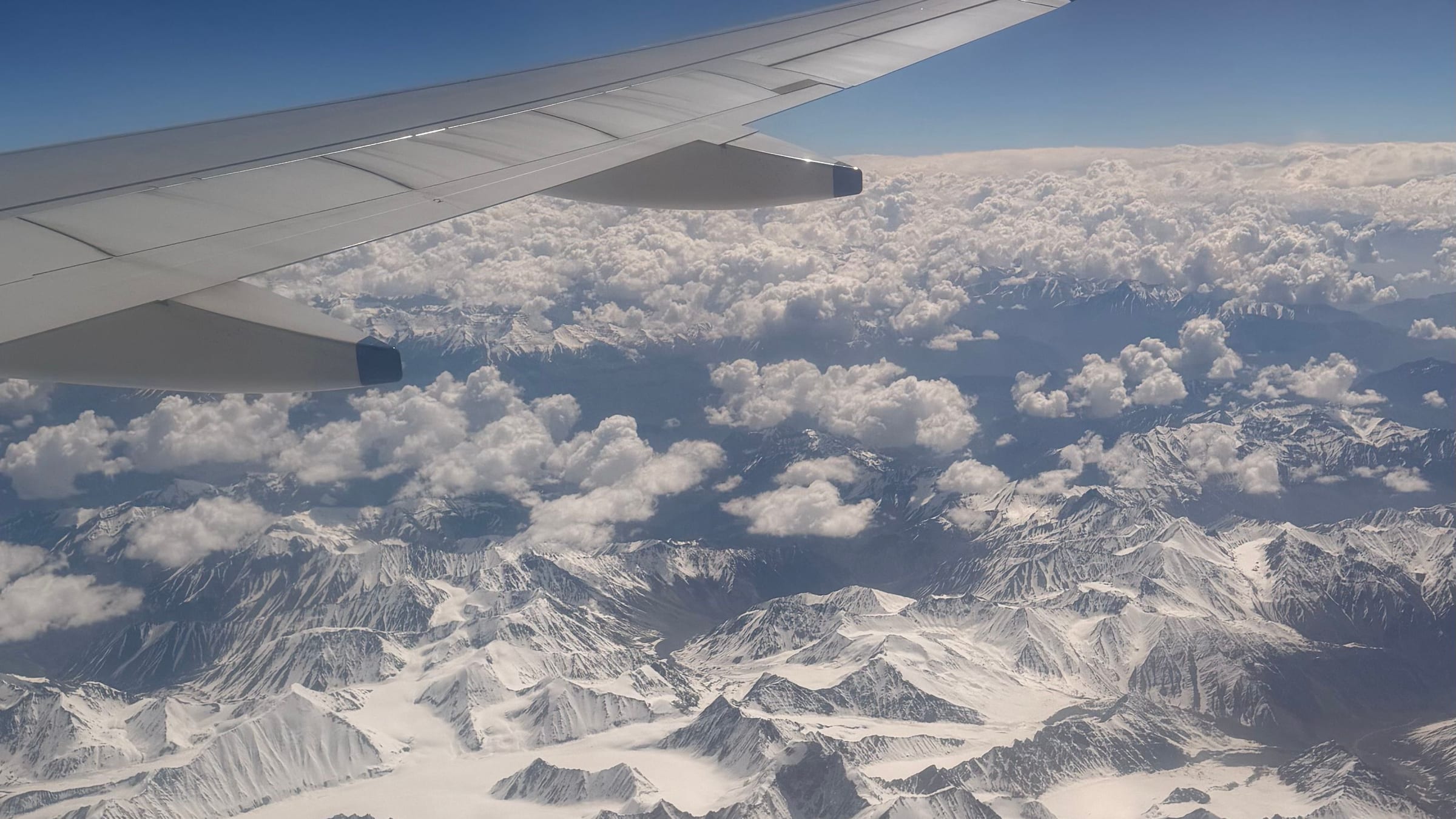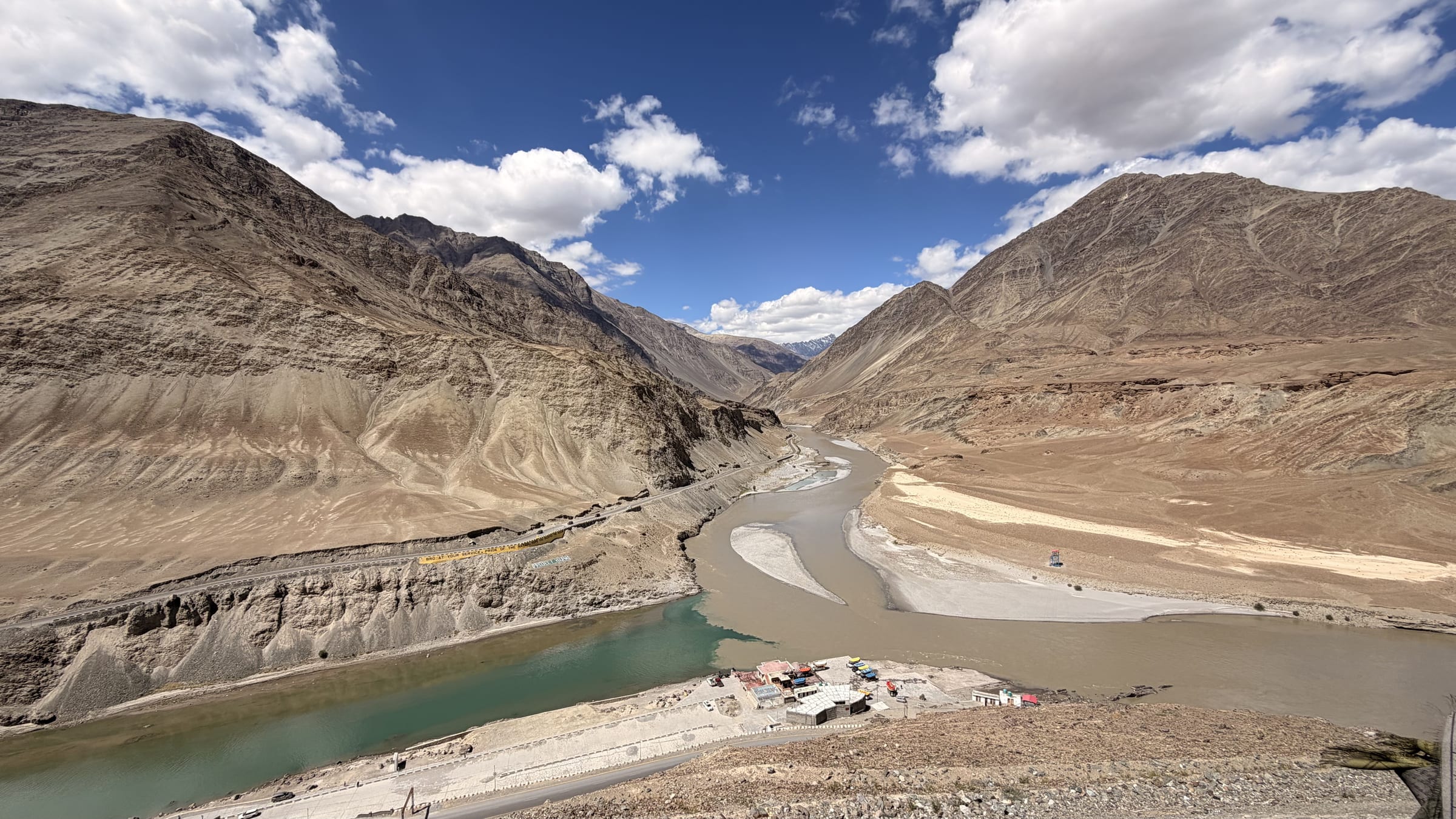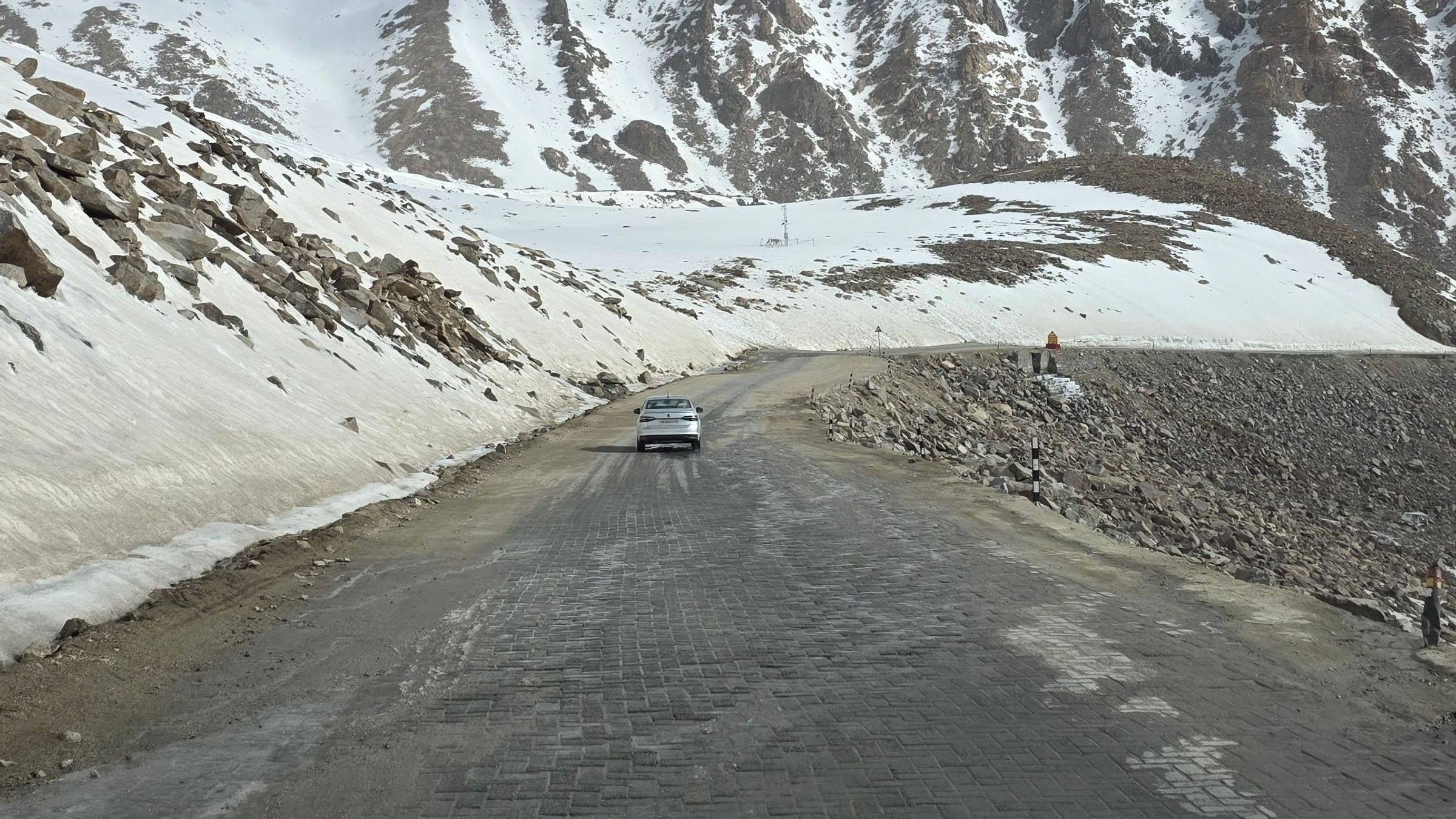
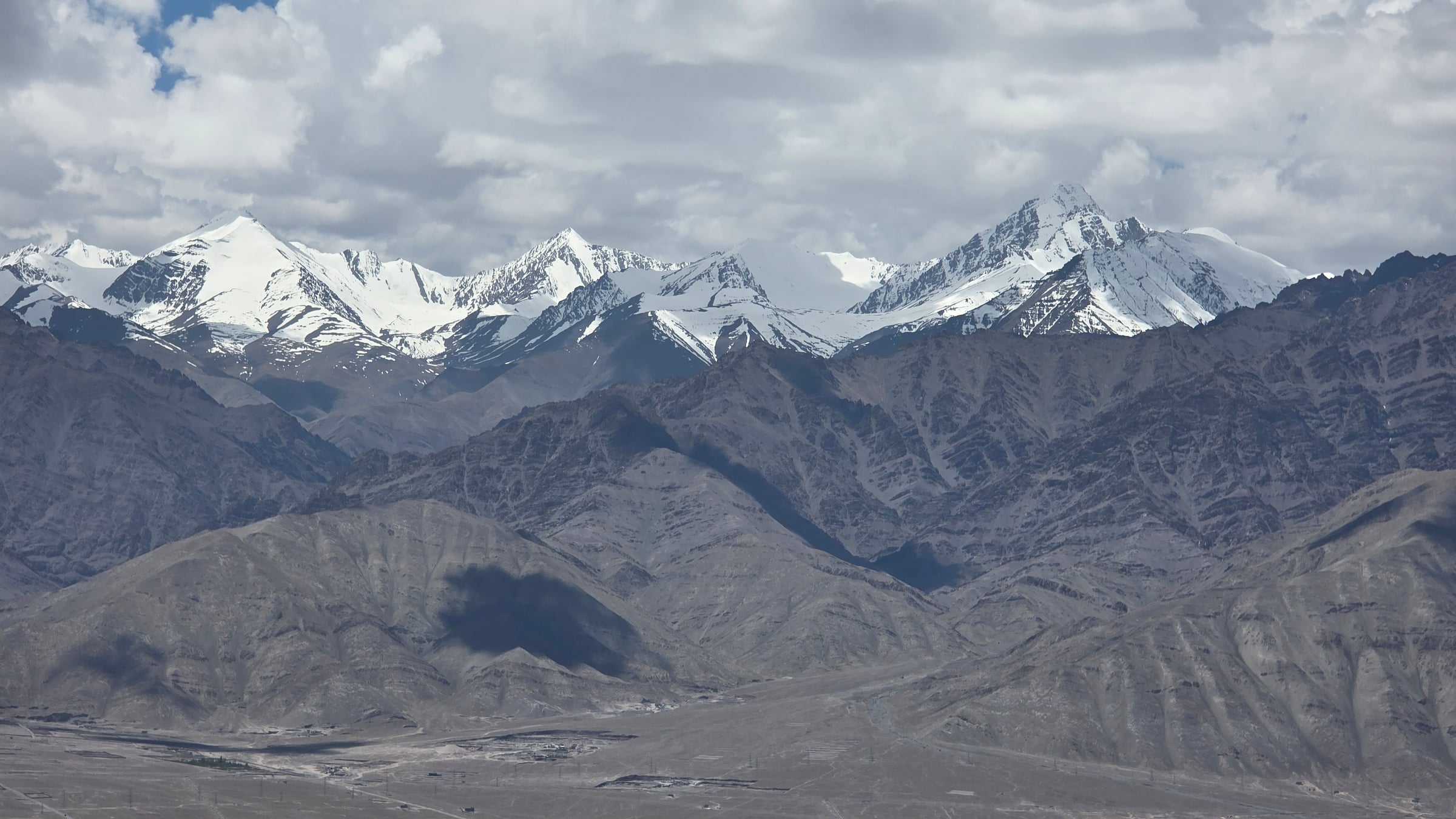
Give Ladakh at least seven to eight days for the classic loop, and more if you add the far corners. The limit is never the number of sights; it is altitude and distance. You need two gentle days in Leh before anything else, and the drives between valleys are long. Rush it and you spend the trip recovering; shape it right and it flows. Below is how the pieces fit; the exact plan is what we build around you.
Ask how many days you need in Ladakh and you will get a number. The number is usually wrong, because it answers the easy question. The real one is not how many days, it is how you shape them. Ladakh is not a city you tick off; it is a base at 3,500 m and a set of valleys a long drive apart, most of them higher still. Two things set the length of every good trip here: your body adjusting to the altitude, and the distances between the places worth seeing. Get those two right and the itinerary almost writes itself.
Start with two gentle days, always
This is the one rule we never break. Leh sits at about 3,500 m, and the travellers who struggle are almost always the ones who landed and drove straight for a high pass.
- Keep the first two days light, low and unhurried before any pass or long drive.
- It is not lost time; it is what makes the rest of the trip feel easy.
- Build it in even when the calendar is tight. Cut a valley before you cut this.
(Full detail in How to arrive in Leh and actually feel good.)
The shape most trips take
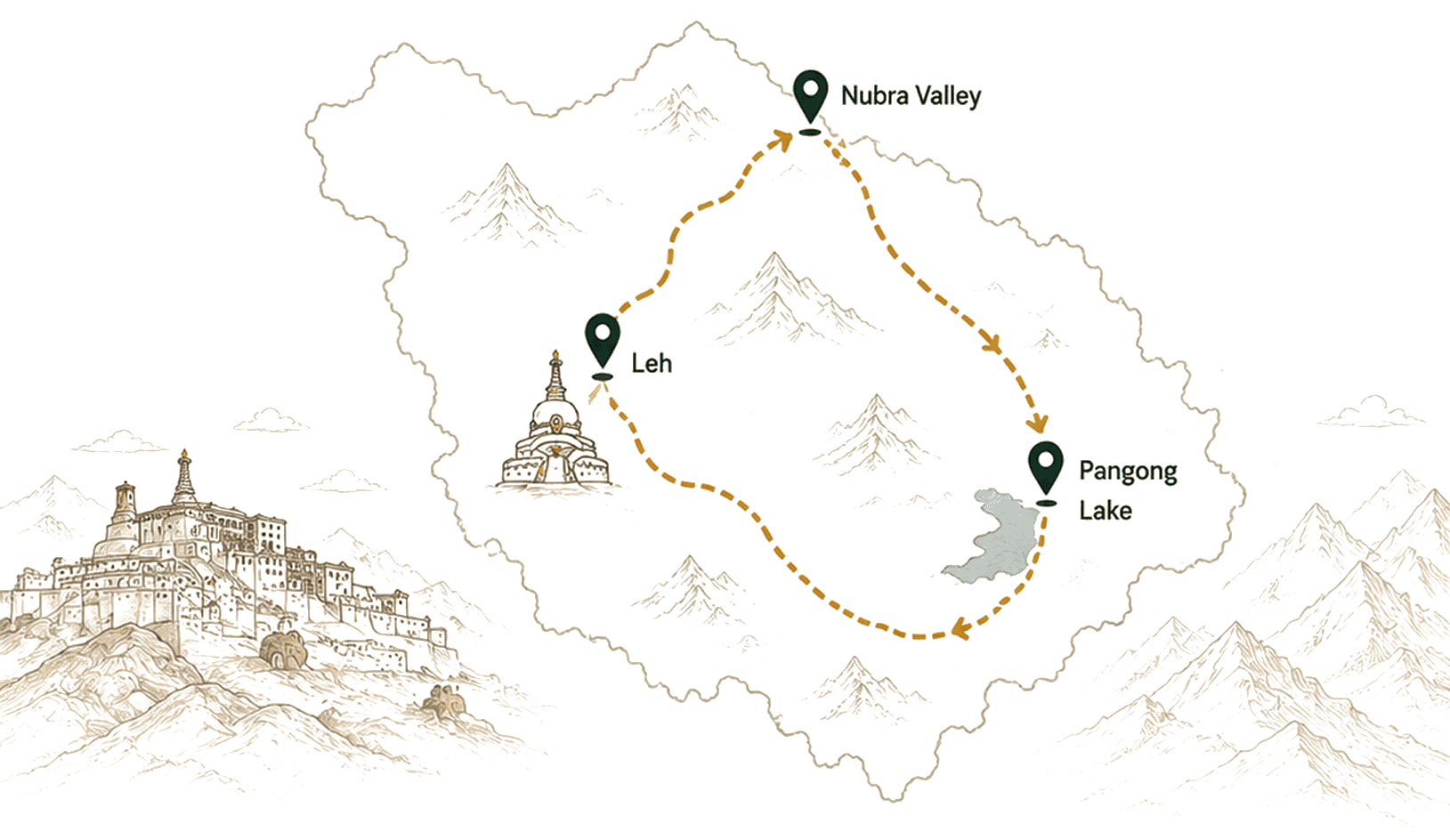
Ladakh works as a base-and-loop: settle in Leh, then swing out to the valleys and back. The classic loop is:
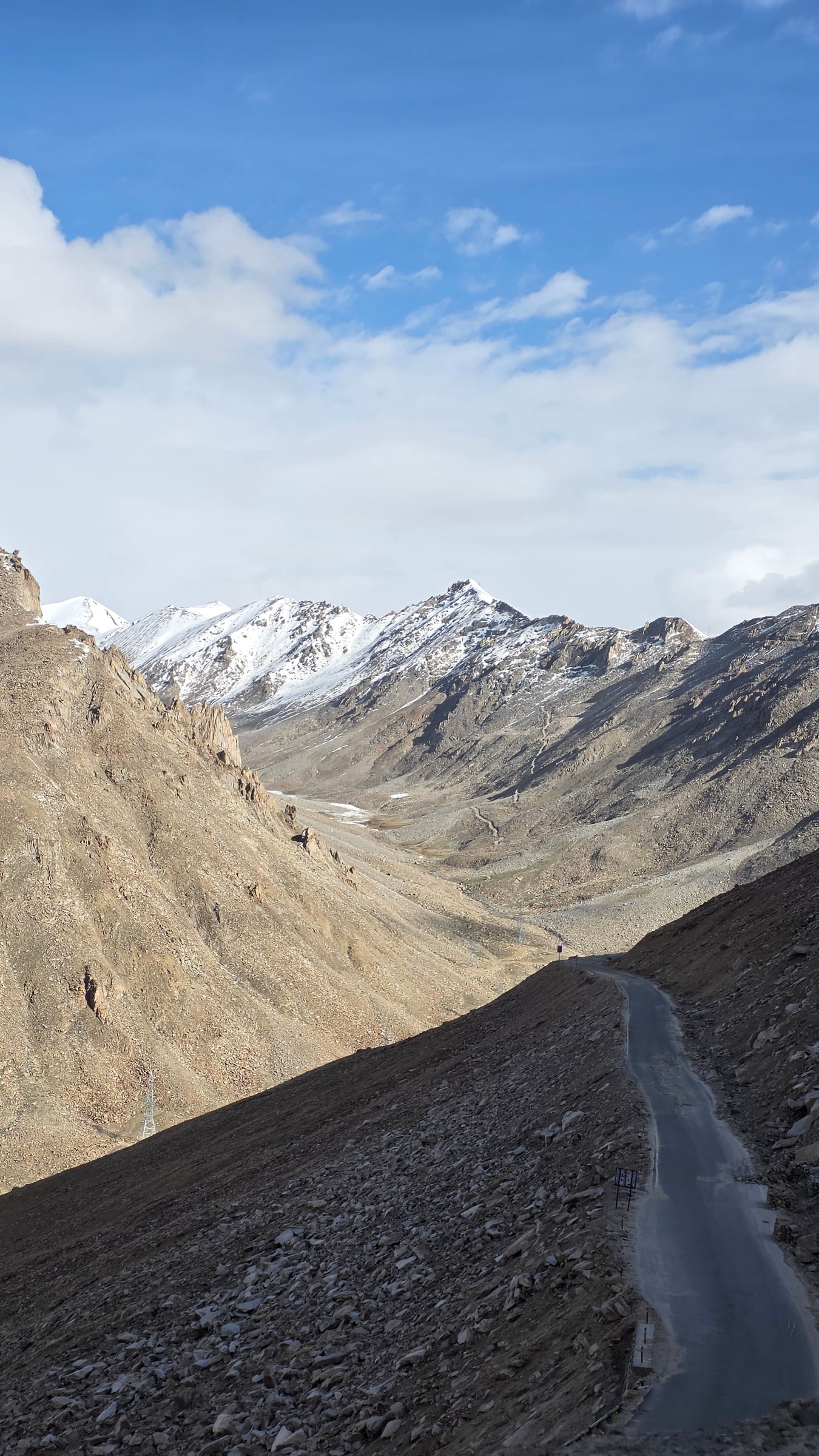
- Leh to Nubra, crossing Khardung La, for dunes, villages and a night at the valley's quieter end.
- Nubra to Pangong along the Shyok (about 160 km, 6 to 7 hours through Agham, Durbuk and Tangtse), which saves doubling back to Leh.
- Pangong back to Leh over Chang La.
Going deeper, you extend rather than replace: add Turtuk off the Nubra leg, or push into Changthang for Hanle and Umling La, and Tso Moriri, on the far side of the plateau.
How long each leg really needs
Ranges, because it depends on your pace and the season:
- Leh: 2 days up front to acclimatise, plus a buffer day somewhere for weather or roads.
- Nubra: 1 to 2 nights (add a night if you want Turtuk).
- Pangong: 1 night. It is worth staying for dawn, not day-tripping.
- Changthang (Hanle and Umling La): 1 to 2 nights, and only later in the trip once you are well adjusted.
- Tso Moriri: an extra night if you are looping the far plateau.
Stack those up and the honest totals are: 5 to 6 days if you keep it tight (Leh, Nubra, Pangong), 7 to 8 for the comfortable classic loop with a buffer, and 9 to 11 to reach Turtuk or Changthang without rushing.
Beyond the classic loop
Ladakh is bigger than the Leh loop. With more time, or a specific pull, these extend a trip, and we can build any of them in:
- How you get to Leh: fly, or drive in from Srinagar or Manali. Most people fly; the two overland highways are trips in themselves. The Srinagar side runs past Sonamarg, Zoji La, Drass (one of the coldest inhabited places on earth, and the Kargil War memorial) and Kargil, with Lamayuru's "moonland" near Leh; the Manali side climbs Baralacha La, the Gata Loops and the high More Plains. Either adds a day or two and its own acclimatisation. We cover the approaches in depth in their own guide.
- The Sham Valley day, near Leh. An easy, acclimatisation-friendly loop west of Leh: the Indus and Zanskar rivers meeting at Nimmu (the Sangam), Magnetic Hill, Gurudwara Pathar Sahib, and the ancient murals at Alchi.
- The Changthang lakes. Beyond Pangong, Tso Moriri is a remote high-altitude lake (around 4,500 m) deep in the Changthang plateau, a genuine far corner and a detour of its own, usually paired with Hanle, Umling La and the smaller salt lake of Tso Kar. Not a loop add-on; a trip out to the edge.
- Zanskar. A remote valley and an expedition in its own right, reached via Kargil and Padum, and in deep winter the frozen-river Chadar trek. Not a loop add-on, a trip of its own.
These do not have their own guides yet. When they do, we will link them here.
What decides your length
- Acclimatisation. Non-negotiable, and it front-loads two days.
- Distances. The valleys are long drives apart, not day trips.
- Season and roads. Passes open roughly June to September; landslides, water crossings and closures are normal, so plans need a buffer. (See When to go.)
- Permits. Permits are quick to arrange but gate where you can go, especially for foreign nationals and the border areas.
- Your pace. How much driving per day you actually enjoy is the quiet decider.
The mistakes that cost people their trip
- Too much on day one. The single most common reason travellers get sick here.
- Day-tripping Pangong or Nubra. You trade the best light and a night's rest for hours in a car.
- No buffer day. One closed road with no slack can unravel the whole plan.
- Leaving Hanle or Umling La too early in the trip, before altitude is behind you.
- Booking the shortest package that "fits". The valley you drop is usually the one you came for.
When to go
Briefly: June to September for the full loop with passes open; late May and October for quieter roads and colder nights; winter is a different, flight-only trip. Full month-by-month in When to go.
How we plan this into a trip
This is the part a framework cannot do for you. We take the shape above and turn it into a real plan: the order that keeps altitude on your side, a buffer where the roads are most likely to bite, the right base in each valley for how you travel, and the permits, driver and stays handled. You tell us your dates and what pulls you; we build the version that actually works, and adjust it as roads and weather move in the week you travel.
Ready to shape your Ladakh trip?
Tell us your dates and how you like to travel, and we will build the loop, the acclimatisation and the far corners into one plan that flows.