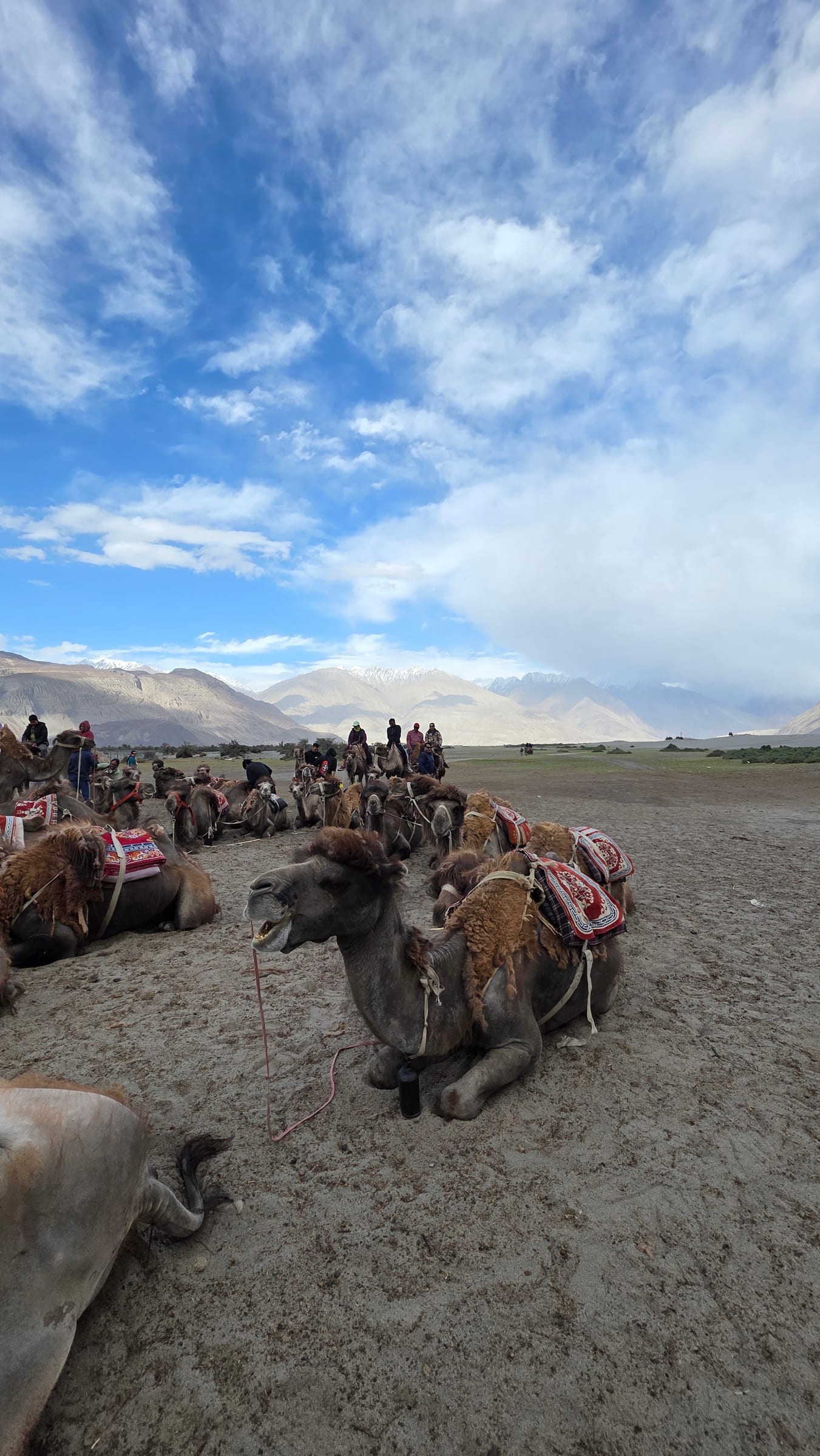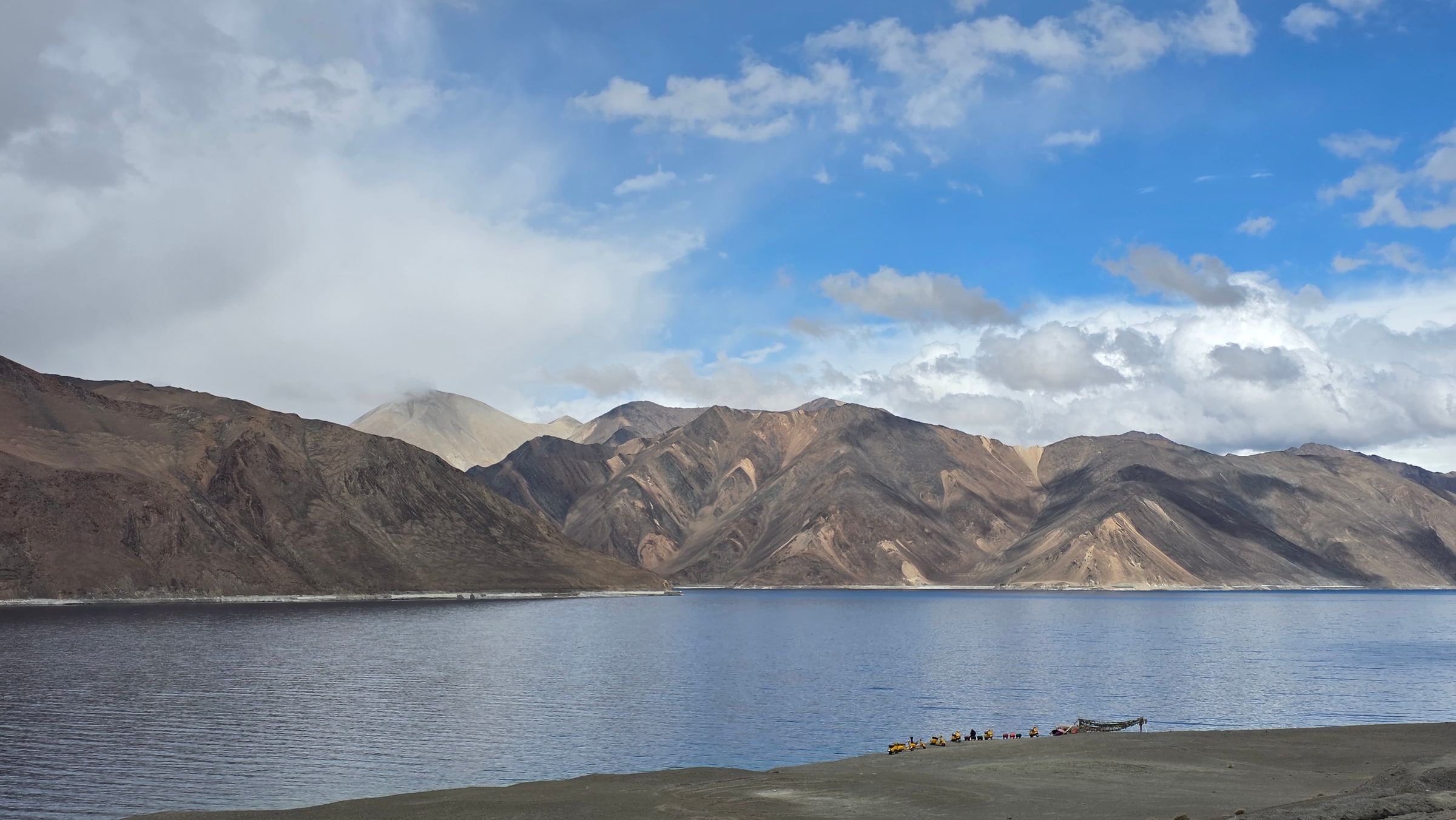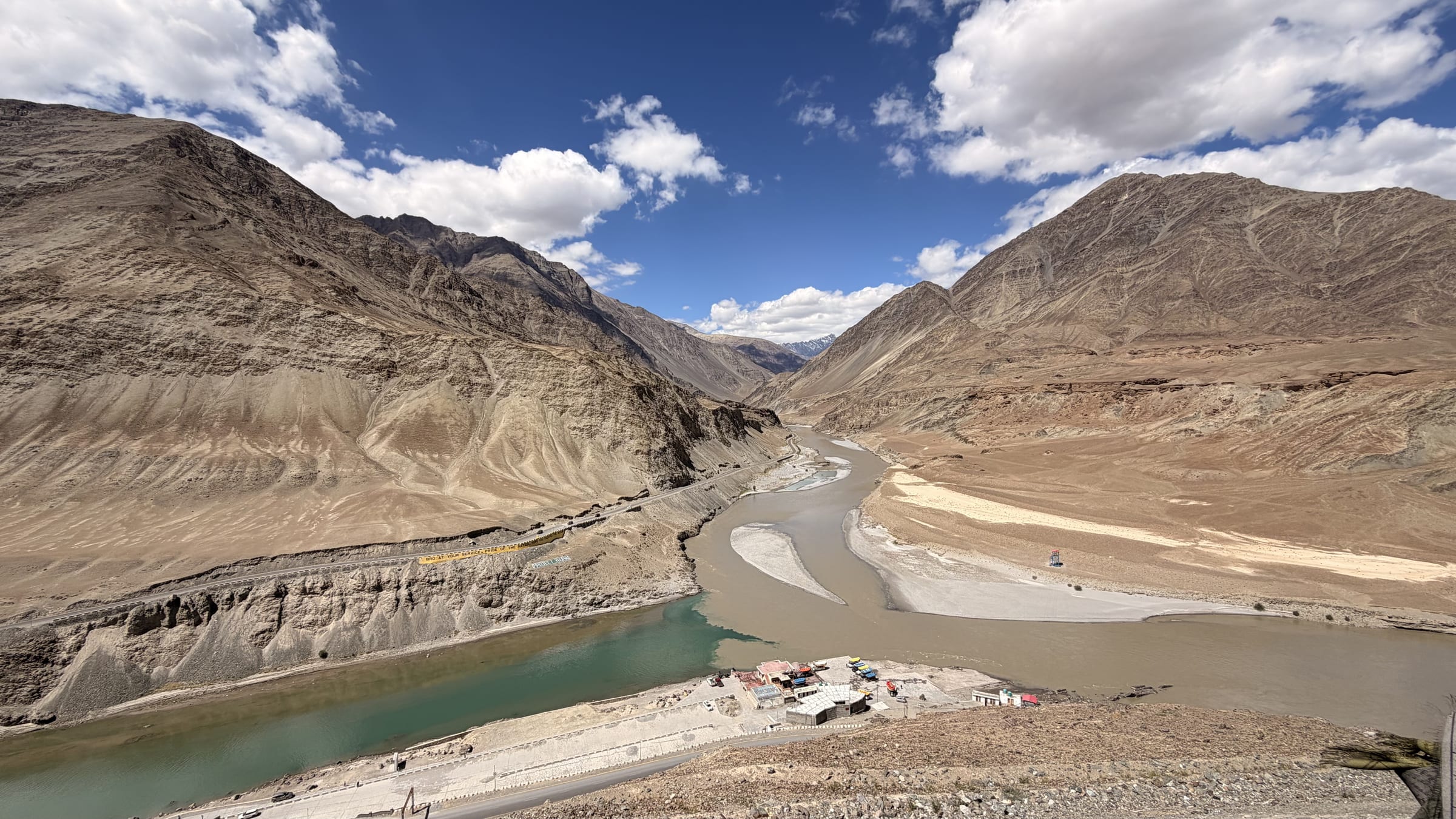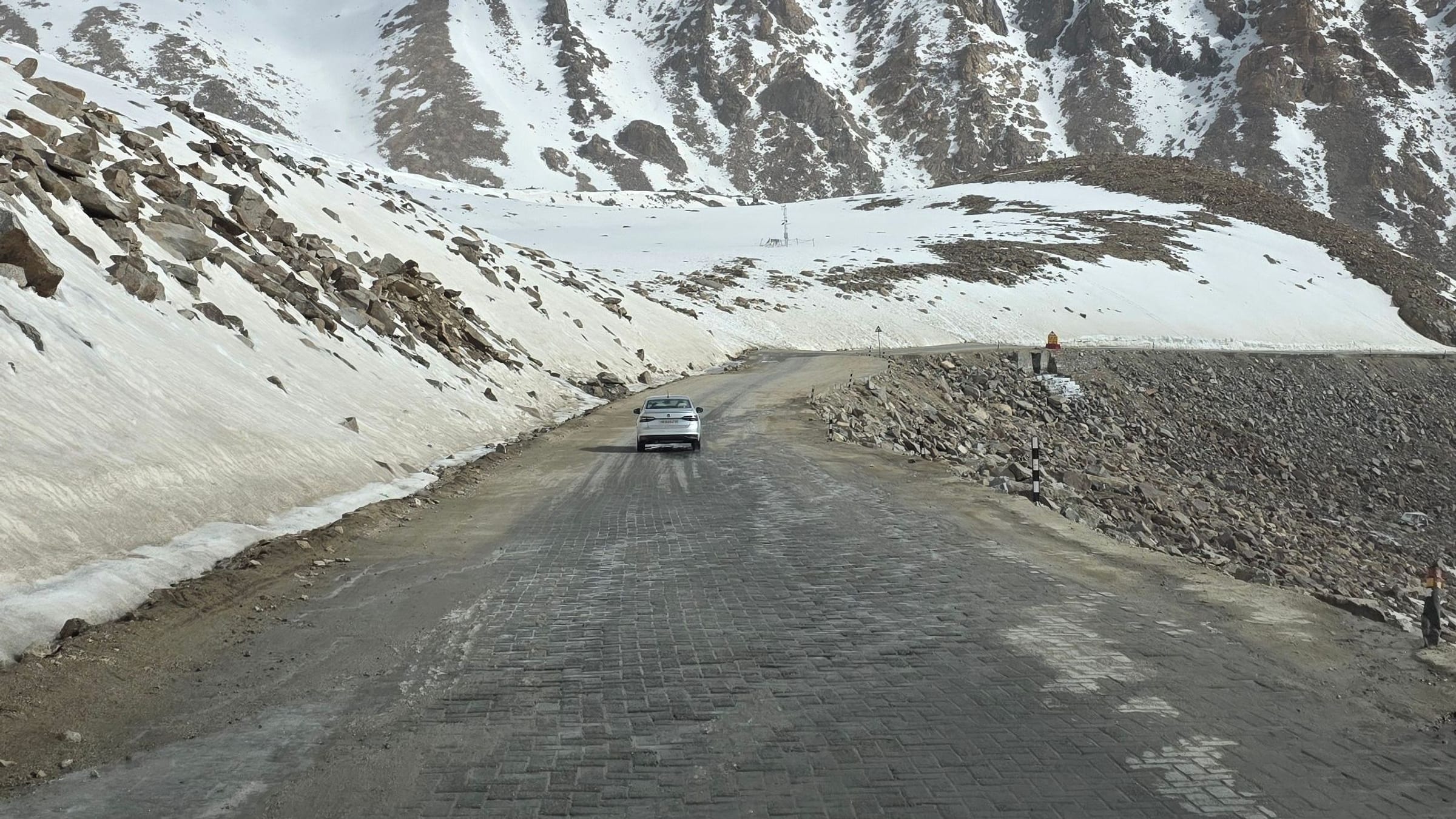
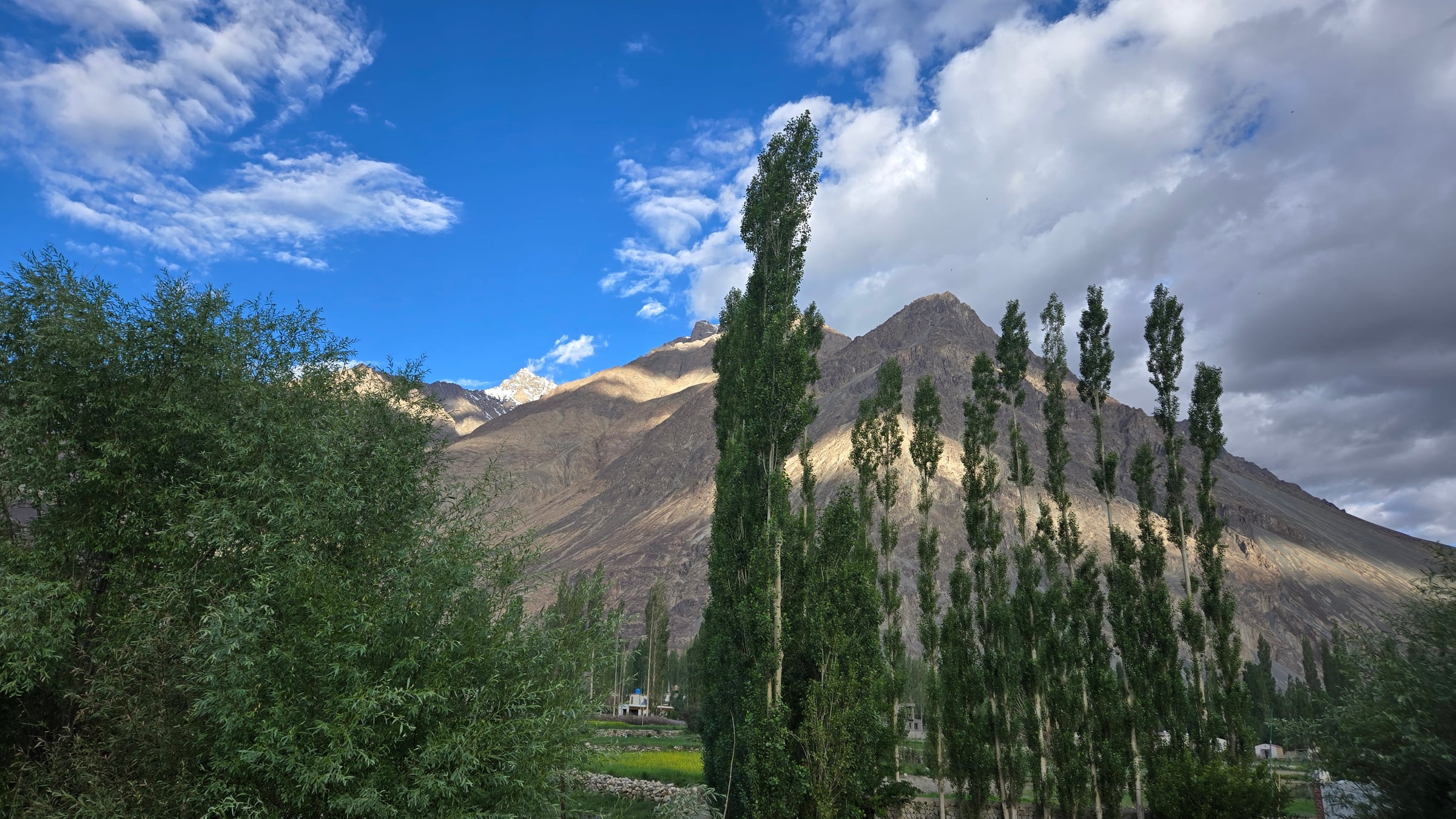
Turtuk is a Balti village at the northern edge of Ladakh, past Nubra, that came under Indian control in the 1971 war and opened to tourists only in 2010. It is lower, greener and warmer than the rest of Ladakh, full of apricot orchards, with a language, faith and food closer to Baltistan than to Leh. A short drive on, Thang is India's northernmost accessible village, opened in 2021, where you can stand at a viewpoint and look across the Line of Control into Pakistan-occupied Kashmir. Go for the culture, the apricots, and a border you can actually see.
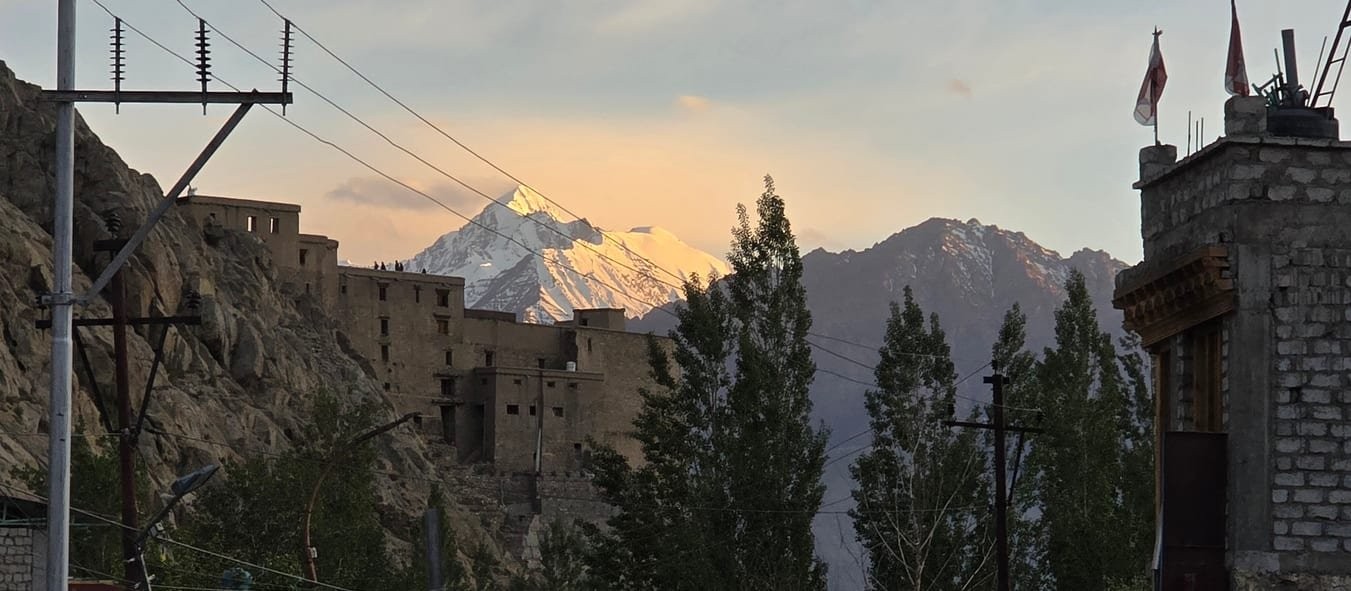
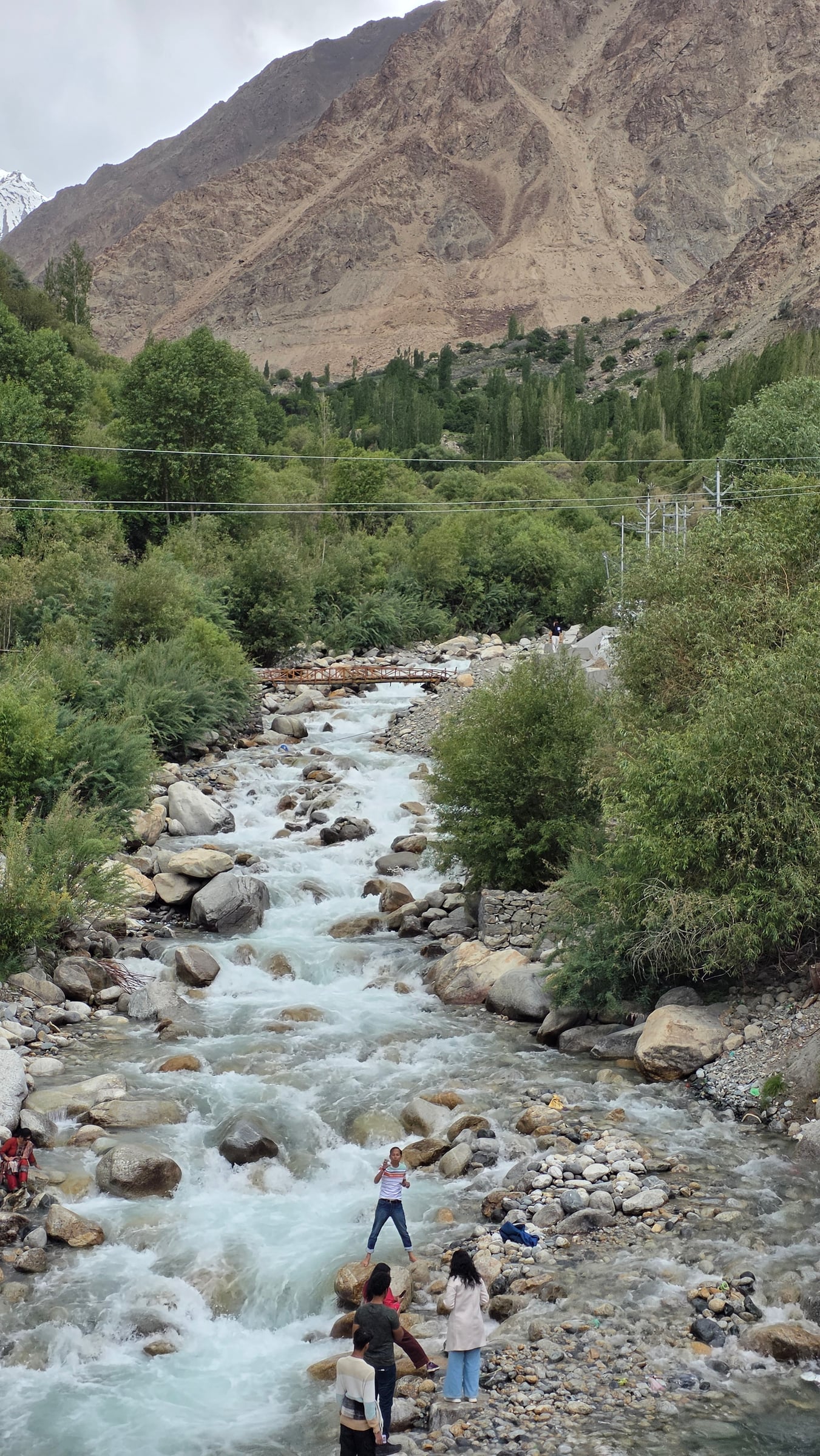
Most of Ladakh is high, bare and brown. Turtuk is green. Drive the two and a half hours past Hunder along the Shyok and the valley drops, the air warms, and suddenly there are apricot trees, walnut groves and terraced fields climbing a hillside of stone-and-timber houses. This is Balti land, closer in language, faith and food to Baltistan than to Leh, and it sat on the Pakistani side of the border until the 1971 war brought it into India. It opened to tourists only in 2010. It is the most different place you will see on a Ladakh trip, and the one people tend to remember most.
Where you go: Turtuk and Thang
Turtuk
The main village and the reason to come: apricot orchards, the Balti Heritage House, old mosques, and the warmest hospitality in Ladakh.
Thang
India's northernmost accessible village, opened in 2021. The border viewpoint looking across the Line of Control. Indian citizens only.
A village that changed sides in 1971
Turtuk's history is the thing to understand before you walk through it. It sits in the Balti belt, a cluster of villages (Turtuk, Thang, Tyakshi, Chalunka) that were on the Pakistani side until the 1971 war, when India took control of them. Overnight, about three thousand people woke up in a different country, with relatives left on the other side of a new line. Many families are still split by it. For decades some met only during the Hajj pilgrimage; wider reunions became possible only after 2014, when passport access finally allowed it.
One story stays with people, Goba Ali's. Cut off from his mother by the new line, he came to the border every Friday dressed in white so the two of them could exchange glances through binoculars, until she passed. That is not old history here. It is living memory, and it is what gives the Thang viewpoint its weight.
Getting there, and the permits
- Turtuk is past Nubra. You cross Khardung La into Nubra, and from Hunder it is about 85 km and two and a half hours north along the Shyok.
- Thang is a further 10 km, about 25 minutes on.
- Indian travellers pay the environment fee online.
- Foreign nationals need a Protected Area Permit arranged through a registered Leh agency, and it lets them visit Turtuk, Tyakshi and Chalunka.
- Thang is different: it is open to Indian citizens only, no foreign nationals, and there is a checkpost at Tyakshi where you submit a permit copy and leave an original ID to collect on the way out.
- Carry the original permit and several copies. Border access rules can change, so confirm the current requirements when you book.
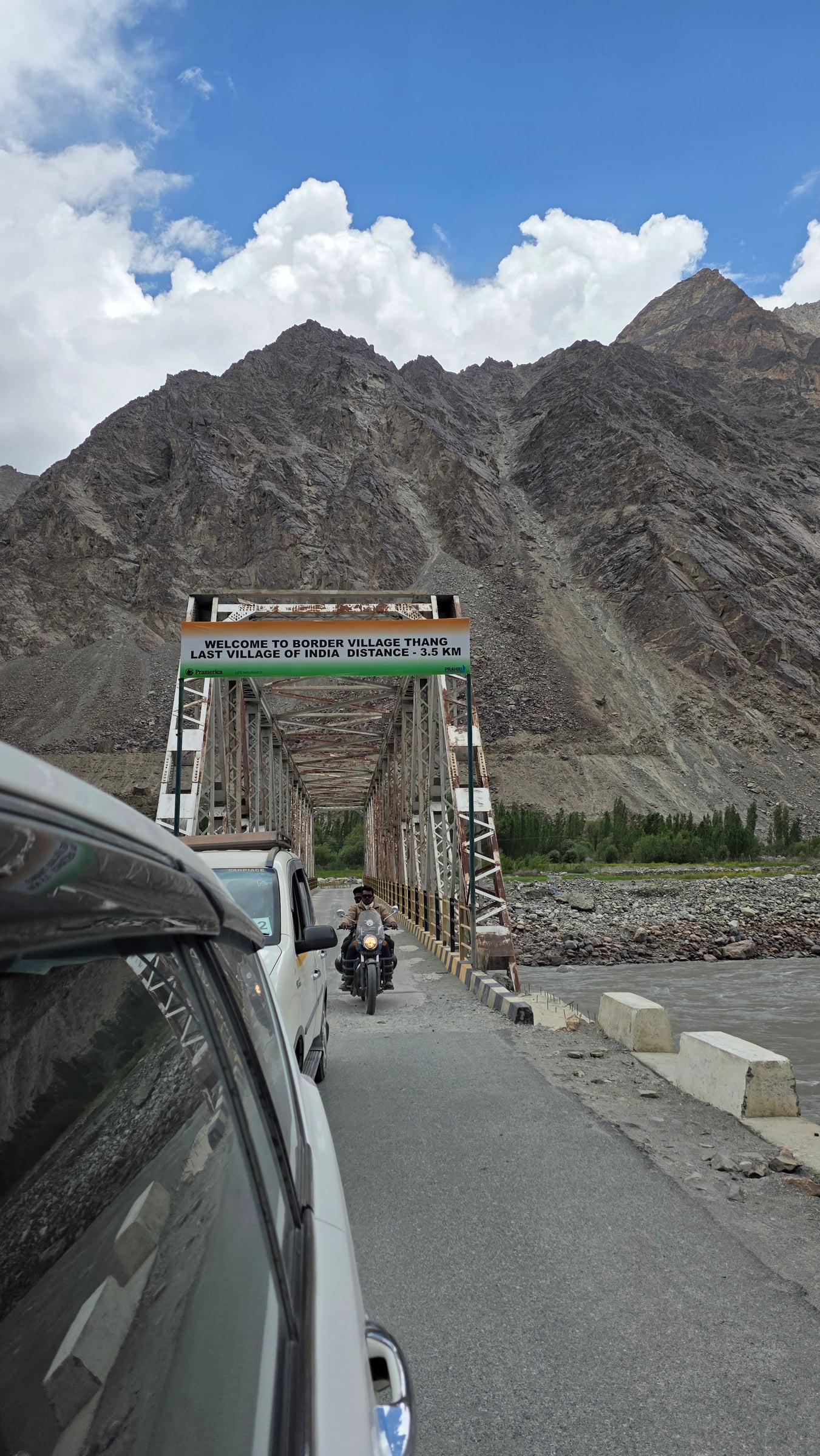
The border viewpoint at Thang
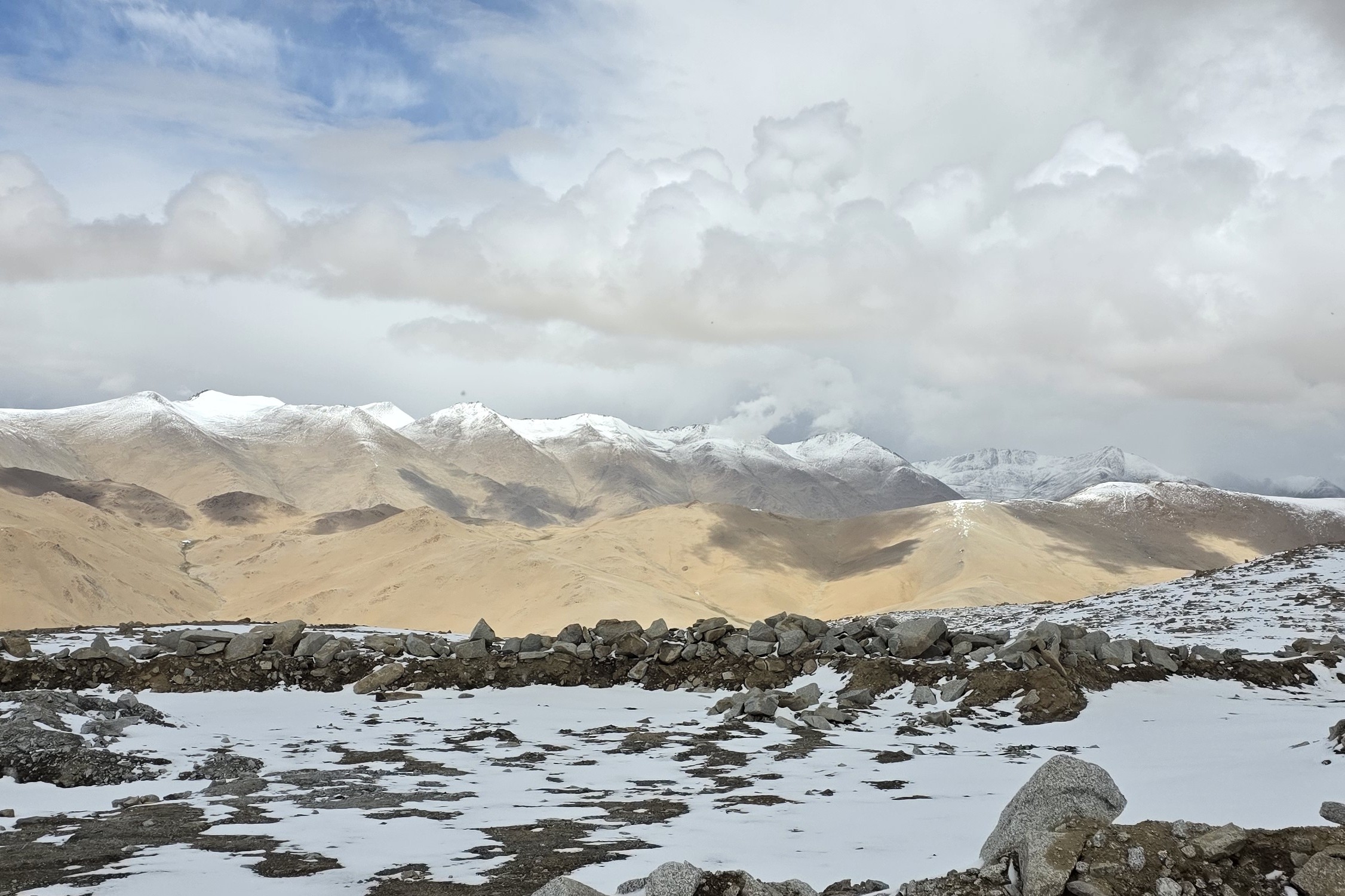
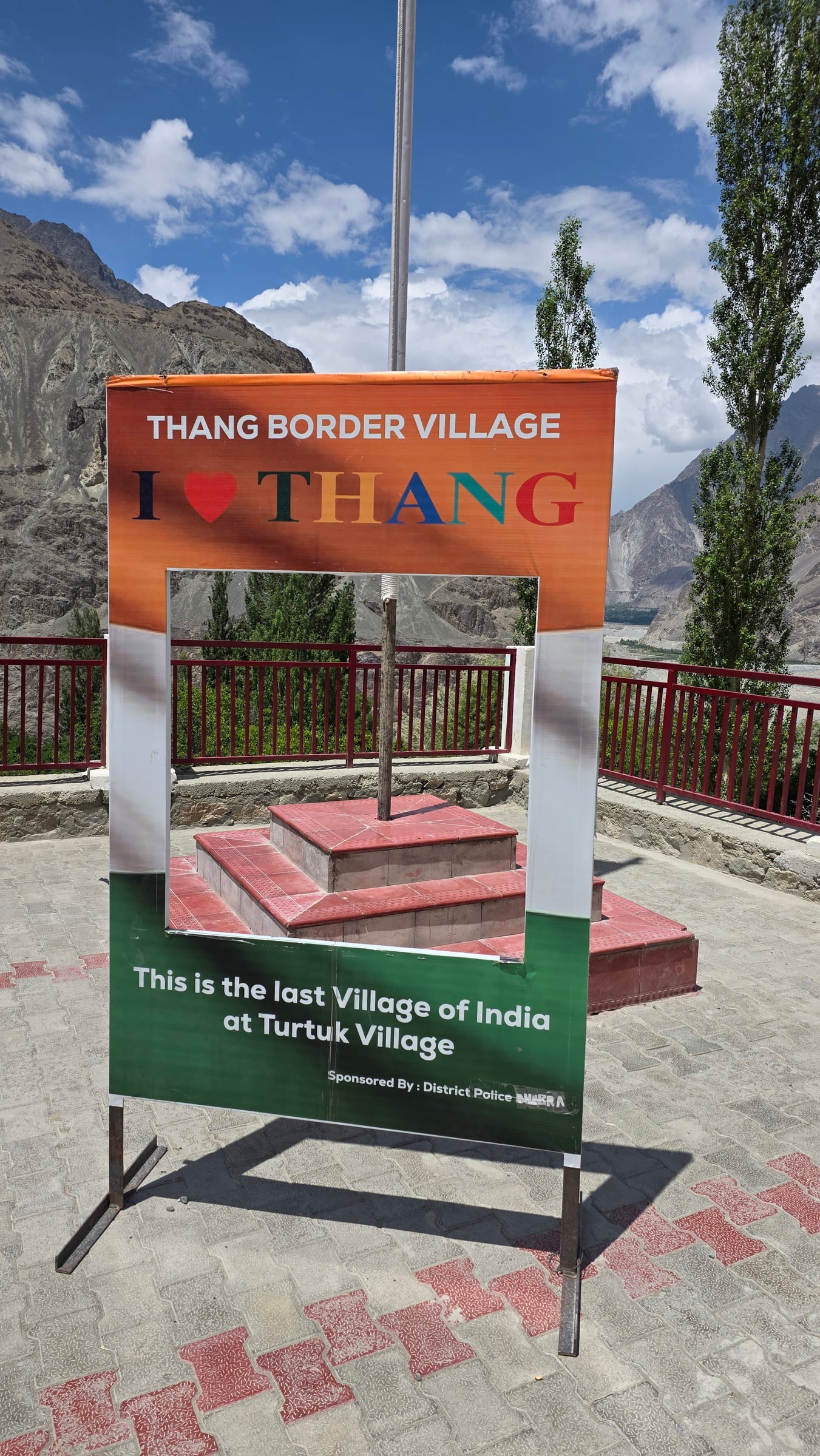
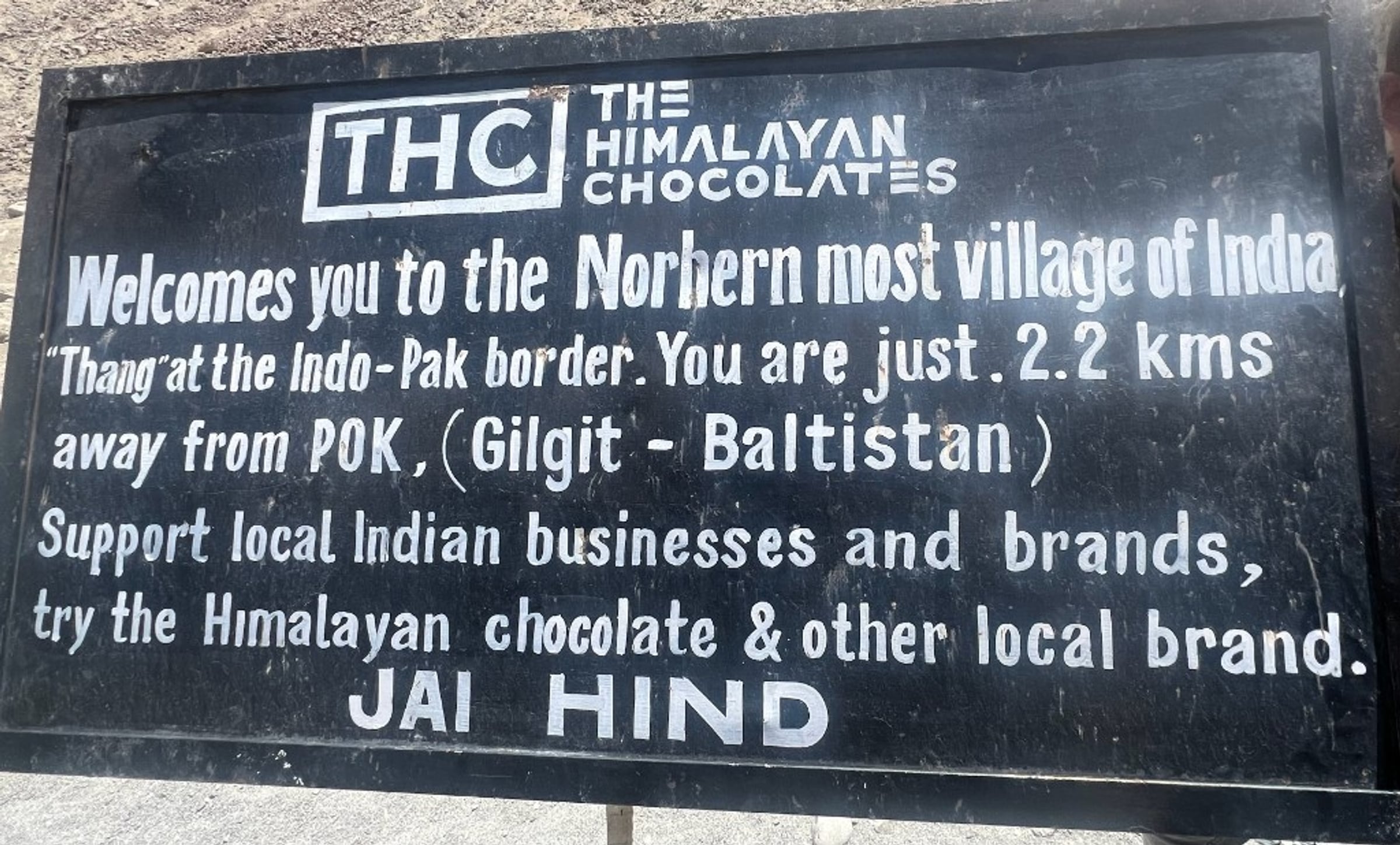
Thang is where you actually see the border. From the viewpoint a local guide points out the Line of Control, the villages on each side, which peaks sit on the Indian side and which lie in Pakistan-occupied Kashmir, and the flag flying across the line. A sign at Thang puts the distance plainly: you are about 2.2 km from the PoK line. Binoculars are on rent at the viewpoint, about 50 rupees a person. The guides are from here, so what you get is not a map lesson but their own account, how long their families have lived on this land, what changed in 1971, whether they are happy, the relatives still on the other side. Standing there with the split-family stories in mind is the part people remember.
Thang is Indian citizens only. And a note on photos: the general viewpoint is usually fine, but photography near the army posts and the border itself is restricted, follow your guide and the signs, and do not assume.
Walk the old village
Turtuk rewards slow wandering more than a checklist.
- Balti Heritage House, a roughly 150-year-old Balti home turned family-run museum of utensils, dress, tools, polo gear, jewellery, manuscripts and old photographs that keep the Balti story alive.
- Stone-and-timber houses stacked up the hillside, an old mosque, and irrigation channels threading between apricot and walnut trees.
- A 16th-century polo ground, still in use.
- In season, apricots drying on every rooftop; buy them fresh or dried straight from the growers.
The border day-trip to Thang is its own thing, 25 minutes on and Indian citizens only, covered above.
Food and shopping
Balti food is a big part of why Turtuk stays with people. It is built on apricots, apricot oil, buckwheat, walnuts and local grains, closer to Central Asian cooking than anything in Leh. Two dishes worth trying:
- Kisir, a buckwheat pancake.
- Zaan.
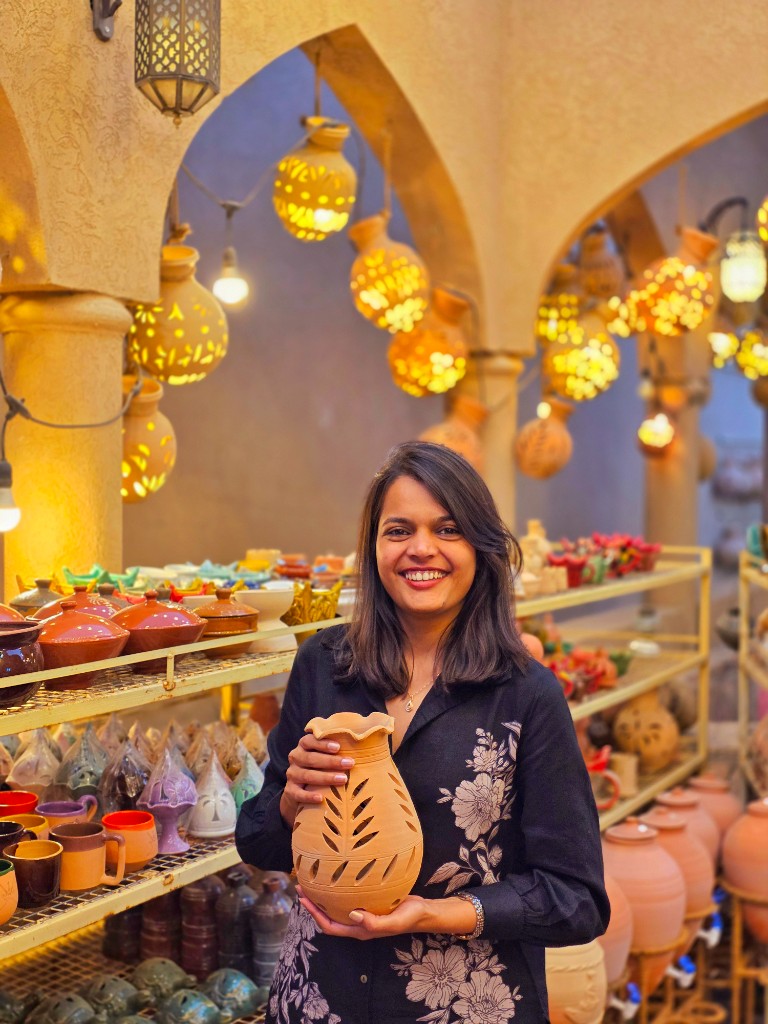
Eat in a Balti kitchen in Turtuk if you can; the meal, and the family around it, is half the experience.
The produce here is exceptional. Turtuk and the wider Nubra belt share the same river-basin ecosystem, so the local produce is excellent.
- From Turtuk: sun-dried apricots, cold-pressed apricot oil, apricot kernels, walnuts, and sea buckthorn (the bright orange local berry, sold as juice and jam).
- At Thang: dried apricots, cranberries, blueberries and cherries.
Buy from the growers and village shops rather than back in Leh.
Where to stay, and when to go
A day trip from a Hunder base works, and it is what most people do. But Turtuk rewards an overnight if you love history and slow places: the homestays are simple but warm, family-run, with meals shared around the kitchen, and the village is at its best in the evening once the day visitors have driven back. One night is plenty for most; two if you really want to sink in. Book ahead in apricot season.
June through September, the road season.
- Apricot blossom in June.
- Fruit ripens through July and August.
- Harvest runs into early October.
- September is the quiet sweet spot: fewer visitors, orchards still heavy.
How we plan Turtuk
We never rush Turtuk onto a busy Nubra day. We give the drive and the village the time they need, arrange the permits and flag that Thang is open to Indian citizens only, and for travellers who want the history to land, we plan an overnight rather than a there-and-back.
Want Turtuk and Thang done properly?
Tell us what pulls you, the culture, the apricots, or the border, and we will build the Nubra and Turtuk stretch into your Ladakh trip with the time it needs.