If you want warm days, open roads, and full access to Nubra and Pangong, go between June and September. If you want the passes quieter and do not mind the cold, aim for late May or October. Winter, December to February, is a different trip altogether, built around snow and silence rather than sightseeing, and it comes with its own rewards.
Ask five people when to visit Ladakh and you will get five different answers, and all five of them are right. The honest answer is not a single month, it is a question back to you: what do you actually want from the trip. Wide open roads and full access to every valley, or a quieter version of the same place with half the crowd. A completely different, snowbound Ladakh that most travellers never see at all. Once you know that, the calendar sorts itself out.
The window everyone means when they say “Ladakh”
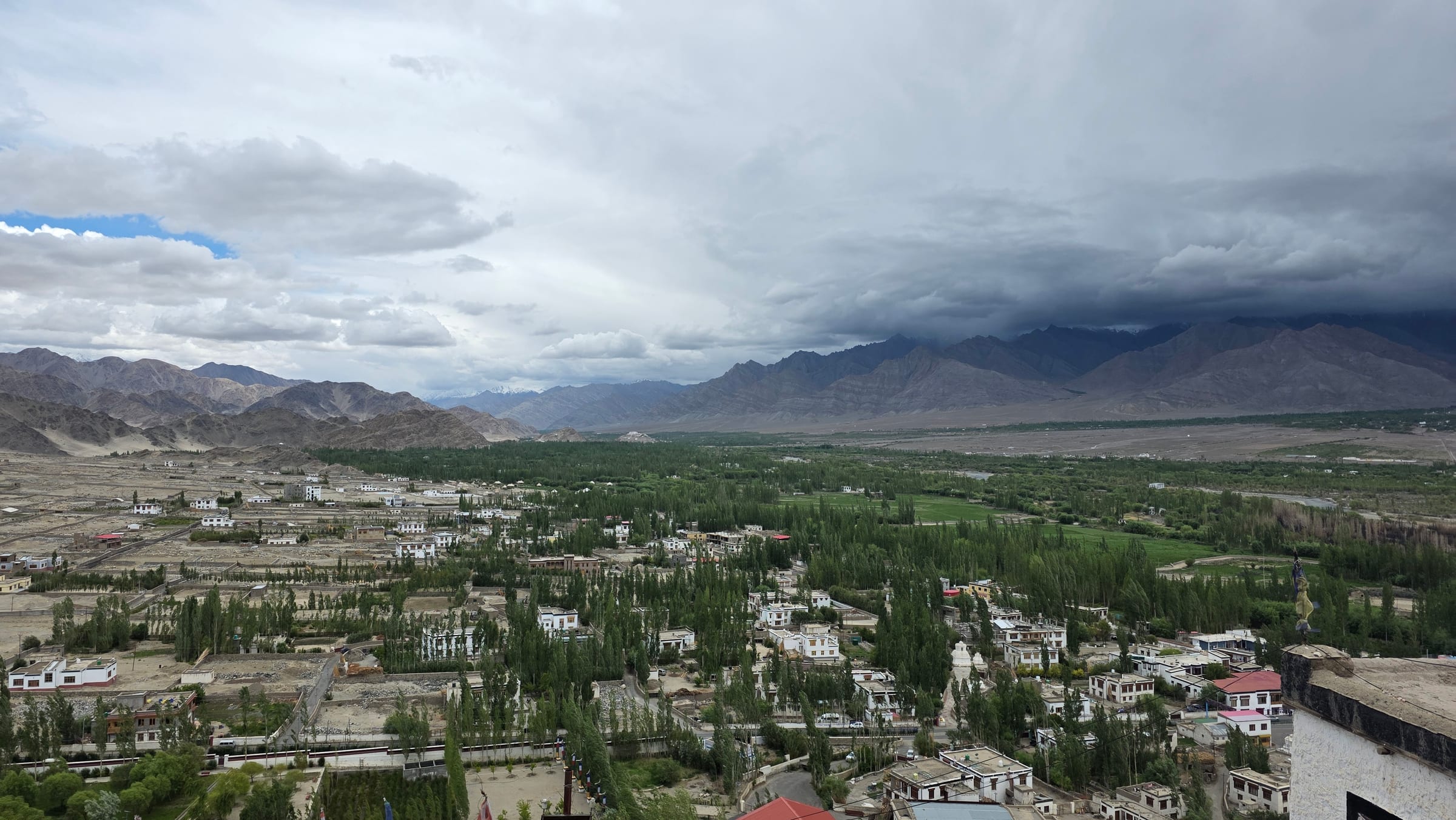
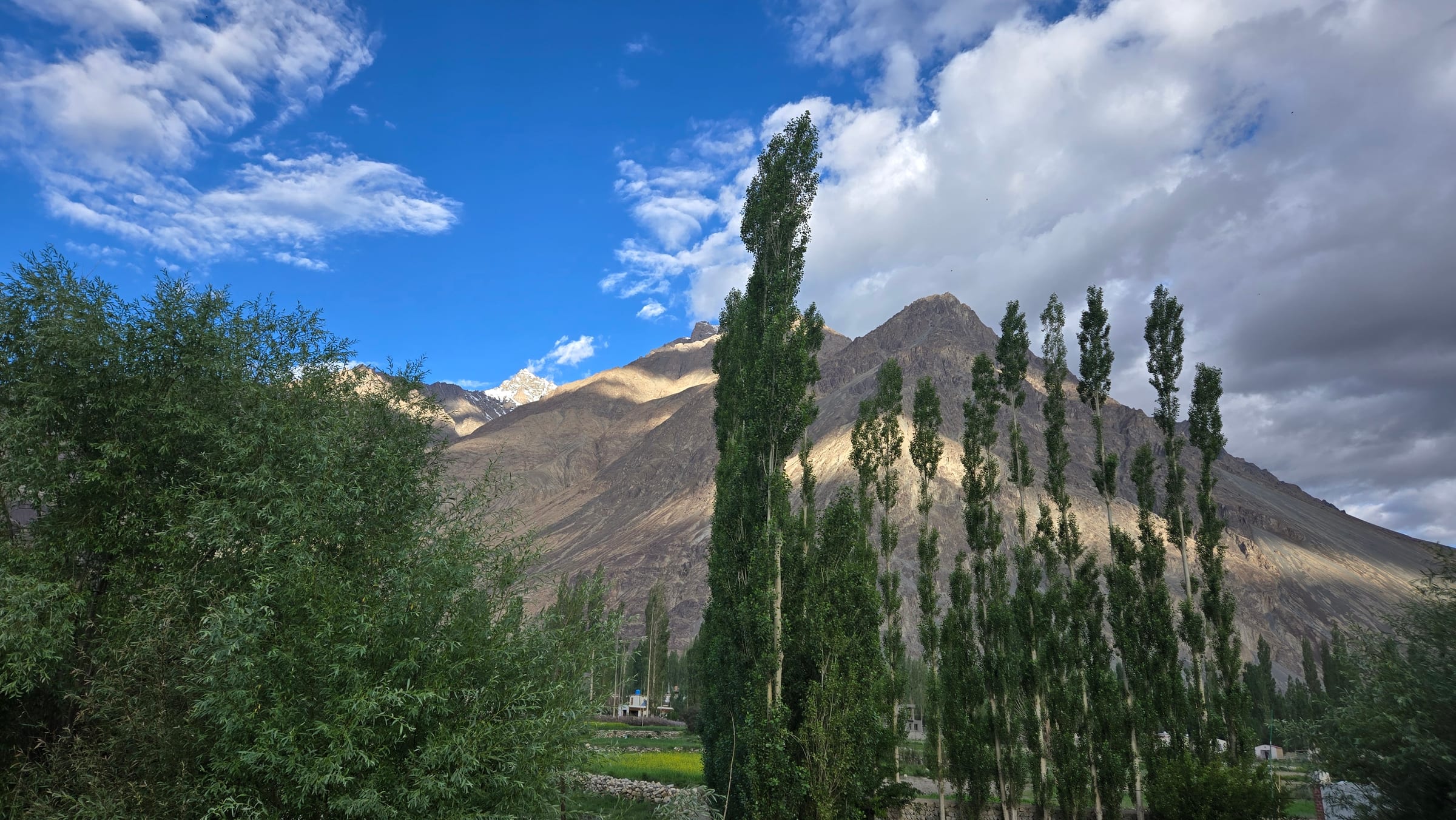
June through September is peak season, and for good reason.
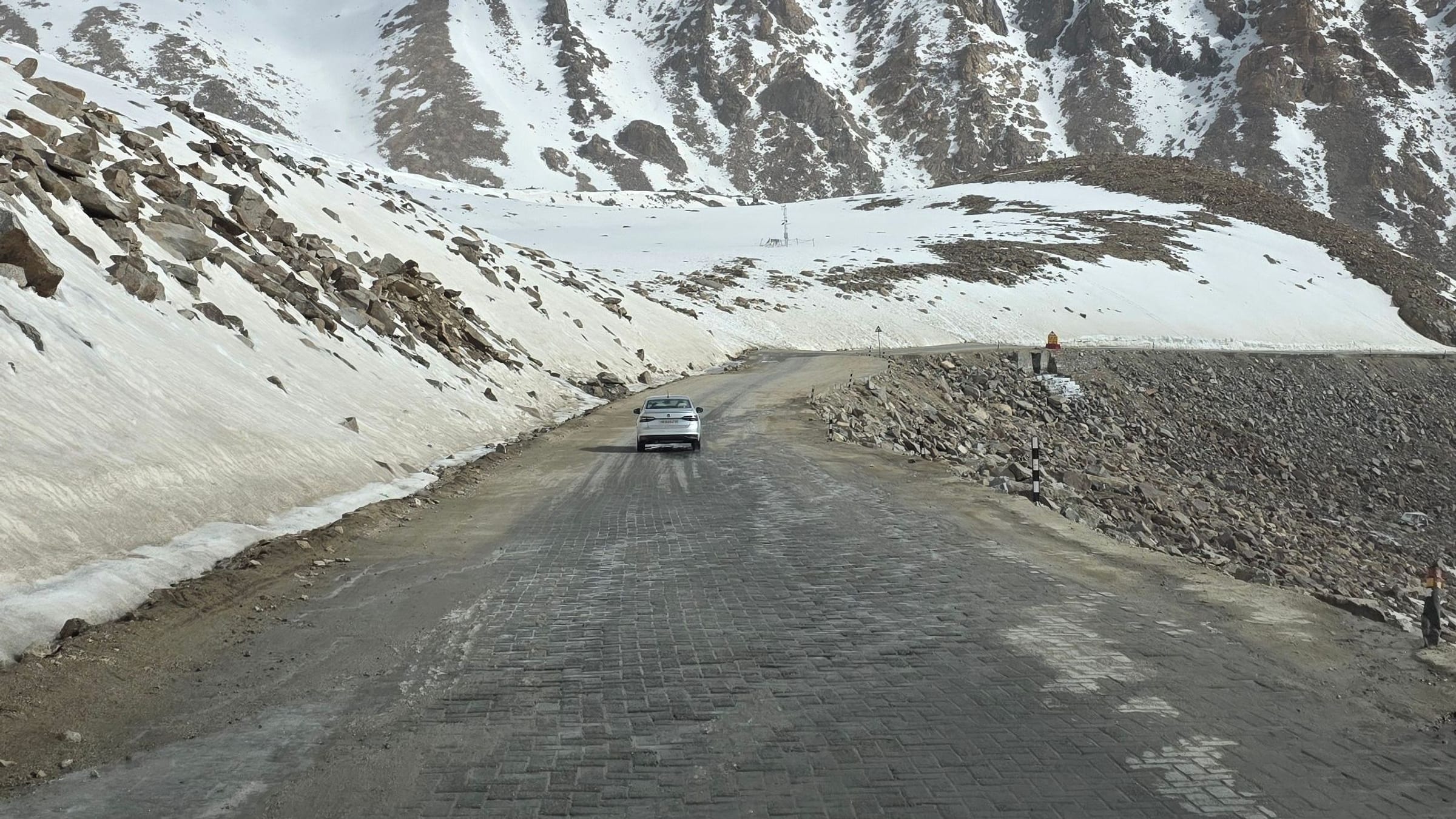
- The Manali-Leh highway settles into its stable summer state by mid-June, once the early post-thaw landslides clear.
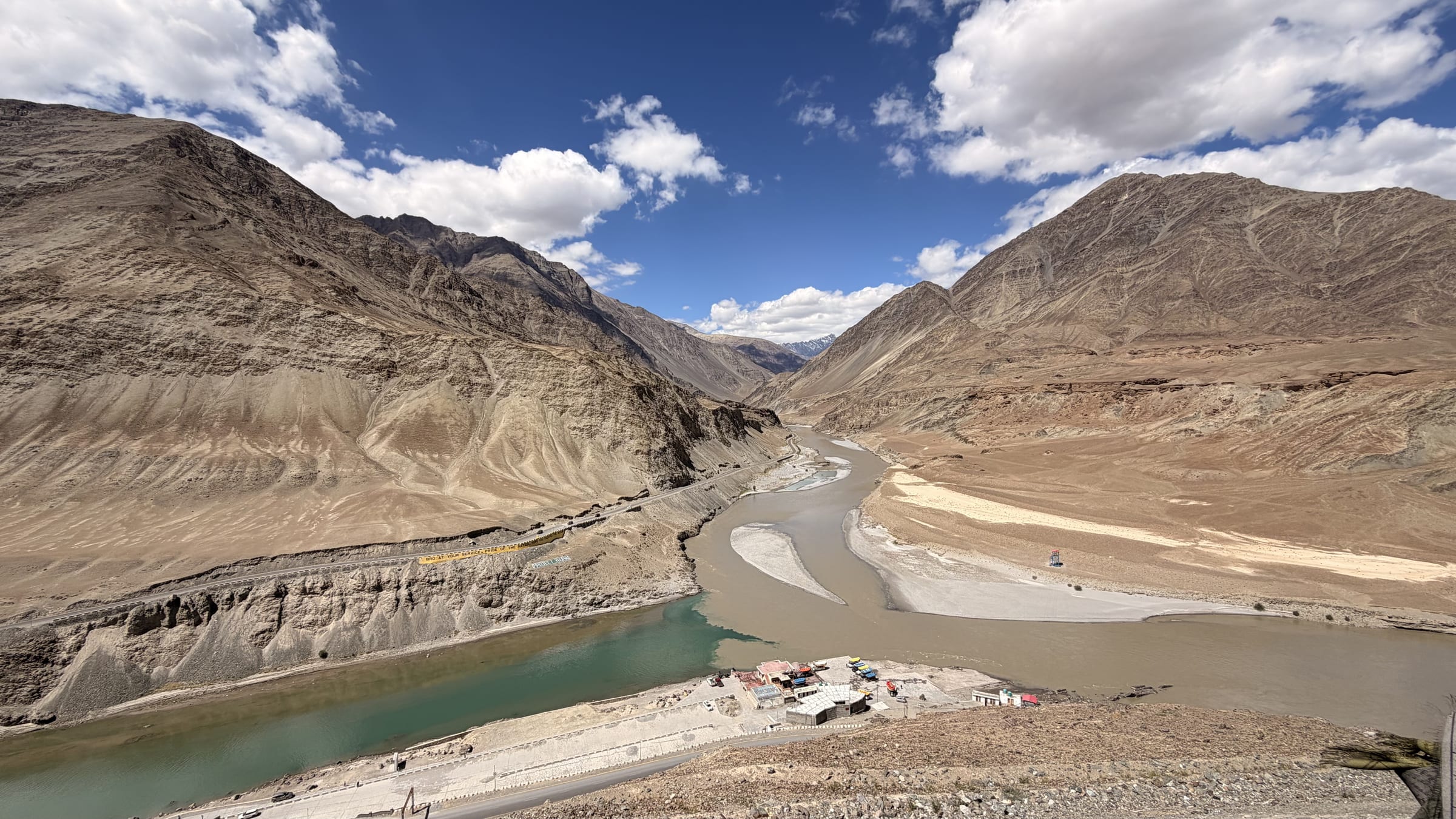
- Ladakh sits in the rain shadow of the Himalayas, so even during India's monsoon, it stays mostly dry, one of the reasons this window works when so much of the country is underwater.
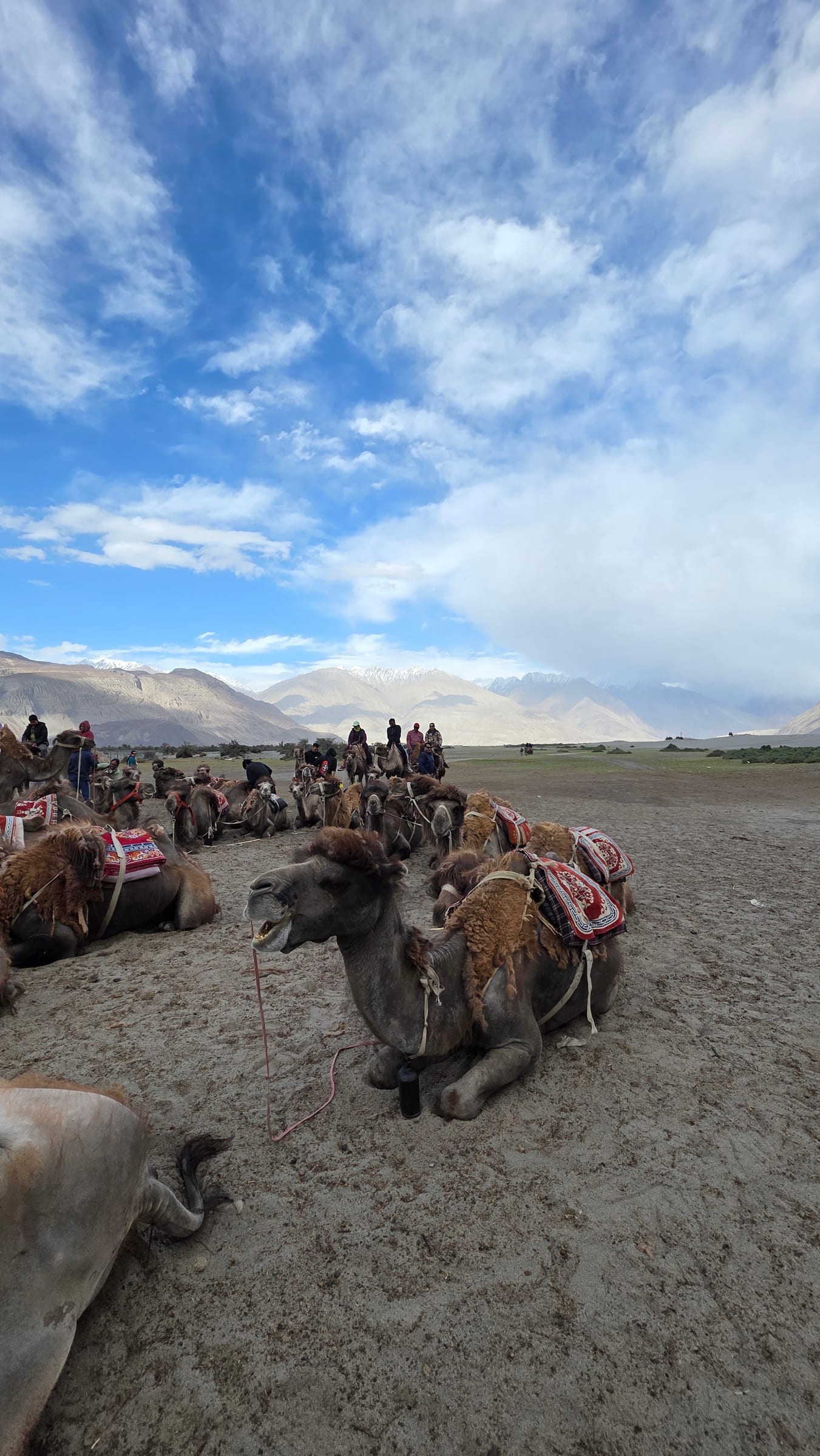
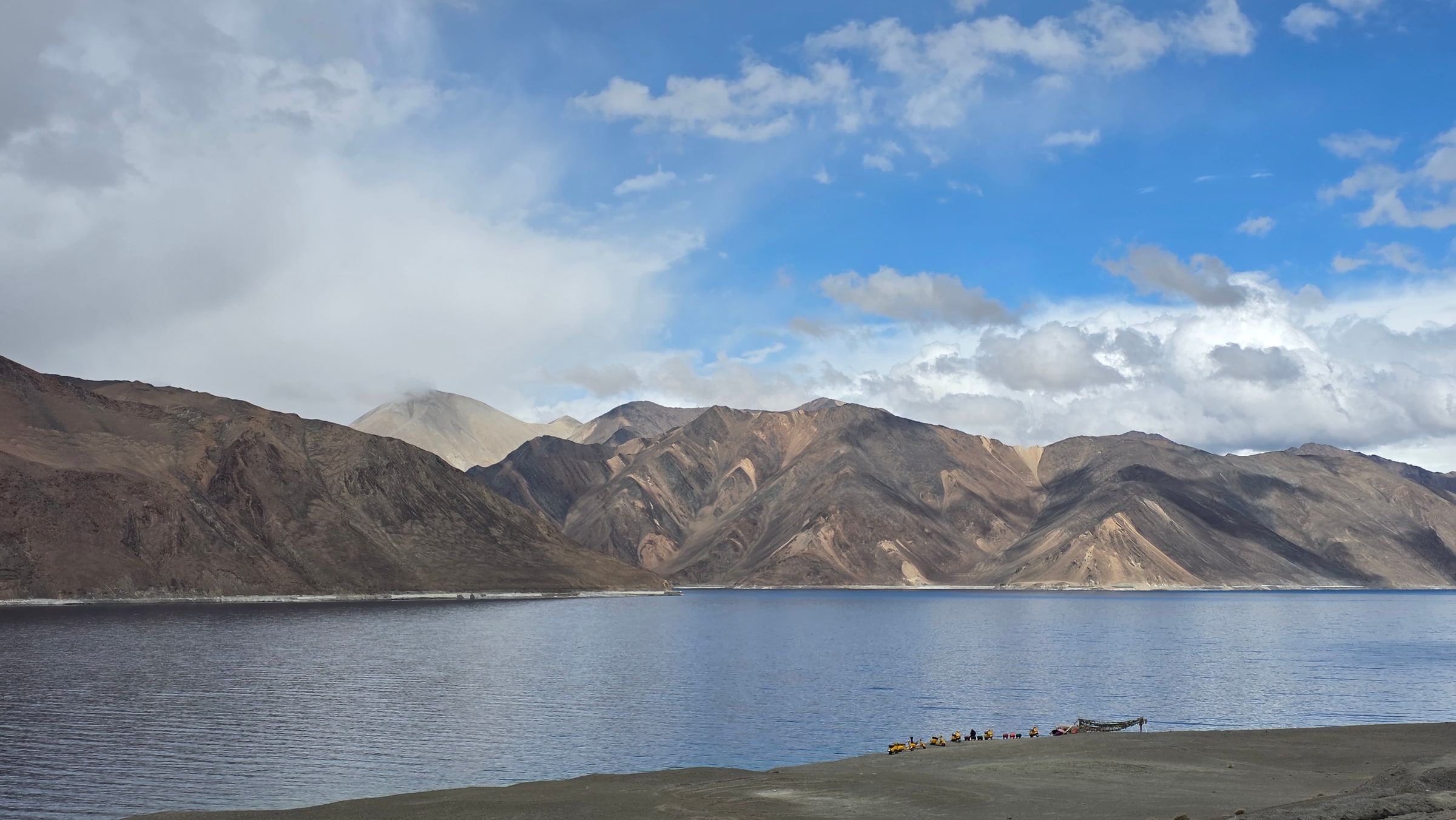
- Nubra, Pangong and Hanle are all fully open.
- Hemis Monastery holds its annual festival in this window too, usually in June or July, with exact dates shifting each year based on the Tibetan lunar calendar.
- This is also when Ladakh is busiest and priciest, hotels fill early and popular viewpoints get crowded by mid-morning.
The trade experienced travellers make
Late May and October are what a lot of repeat visitors quietly prefer.
- Roads are open but thinner on traffic.
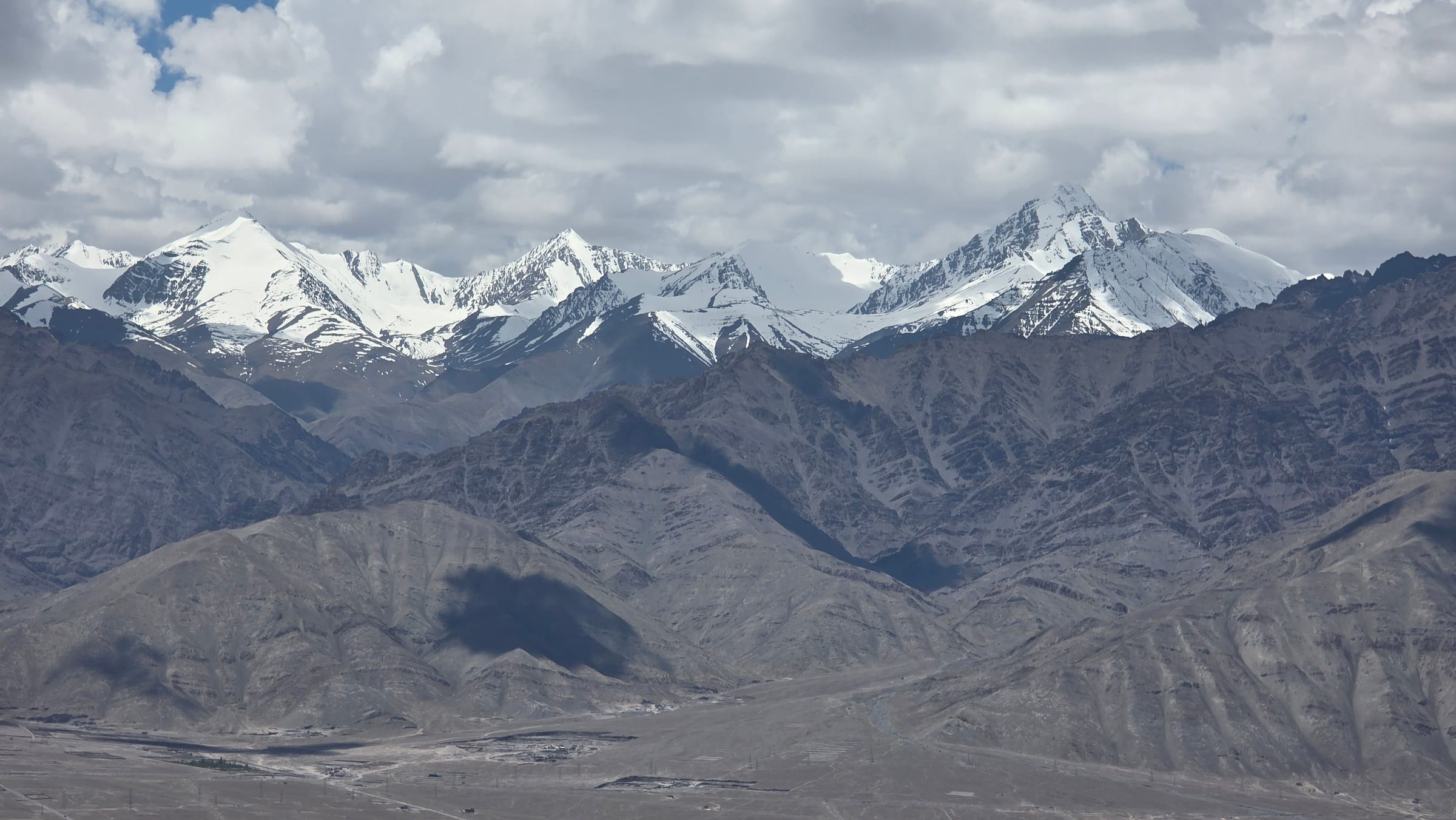
- Nights are colder, and the light on the passes, especially in October, is some of the best of the year.
- The tradeoff is real: late May can still have unstable early season road conditions right after opening, and October's window closes fast as winter moves back in.
- Neither month is a compromise so much as a different kind of trip, same place, fewer people in it.
Winter is not an off season, it is a different trip
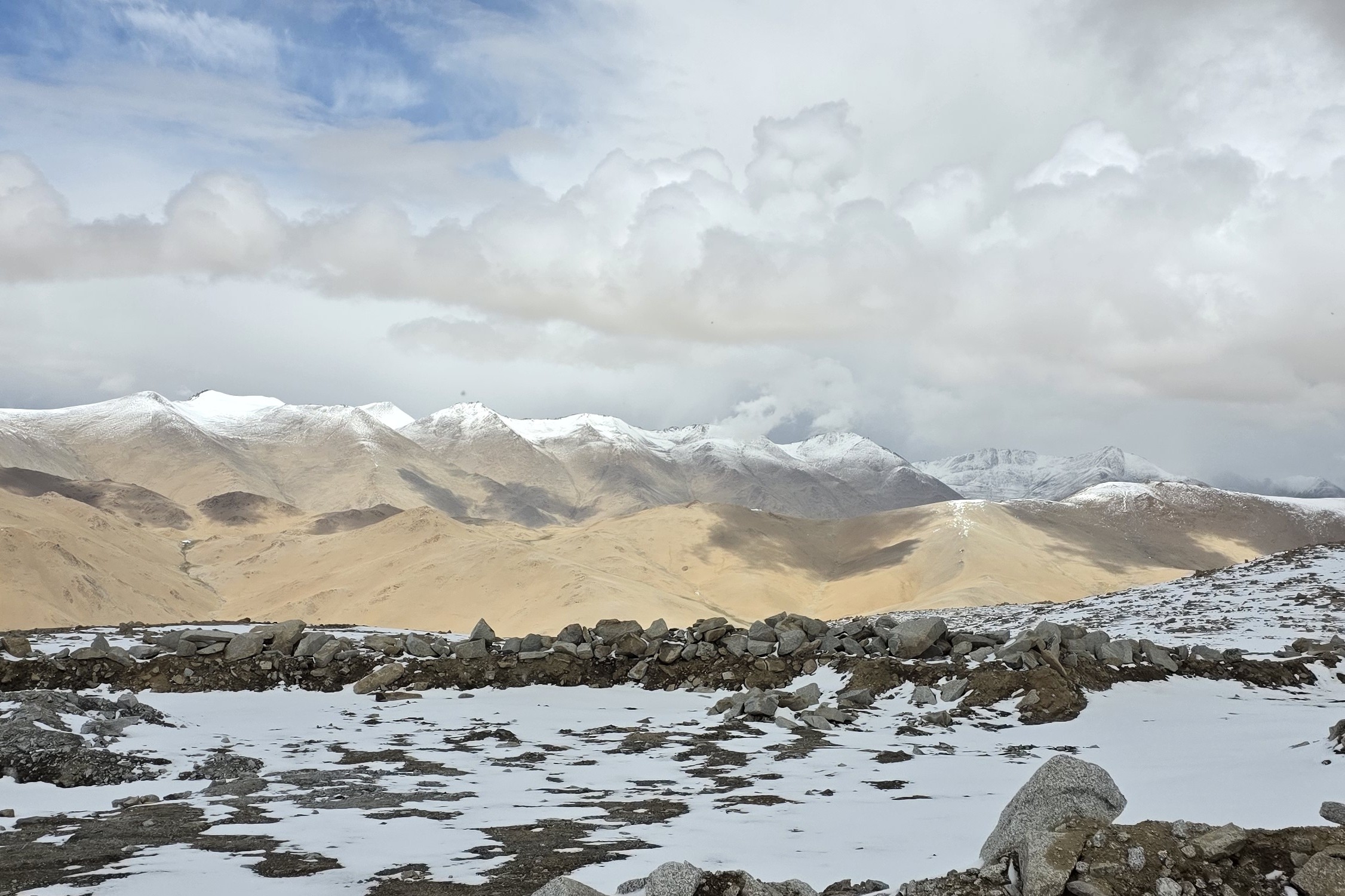
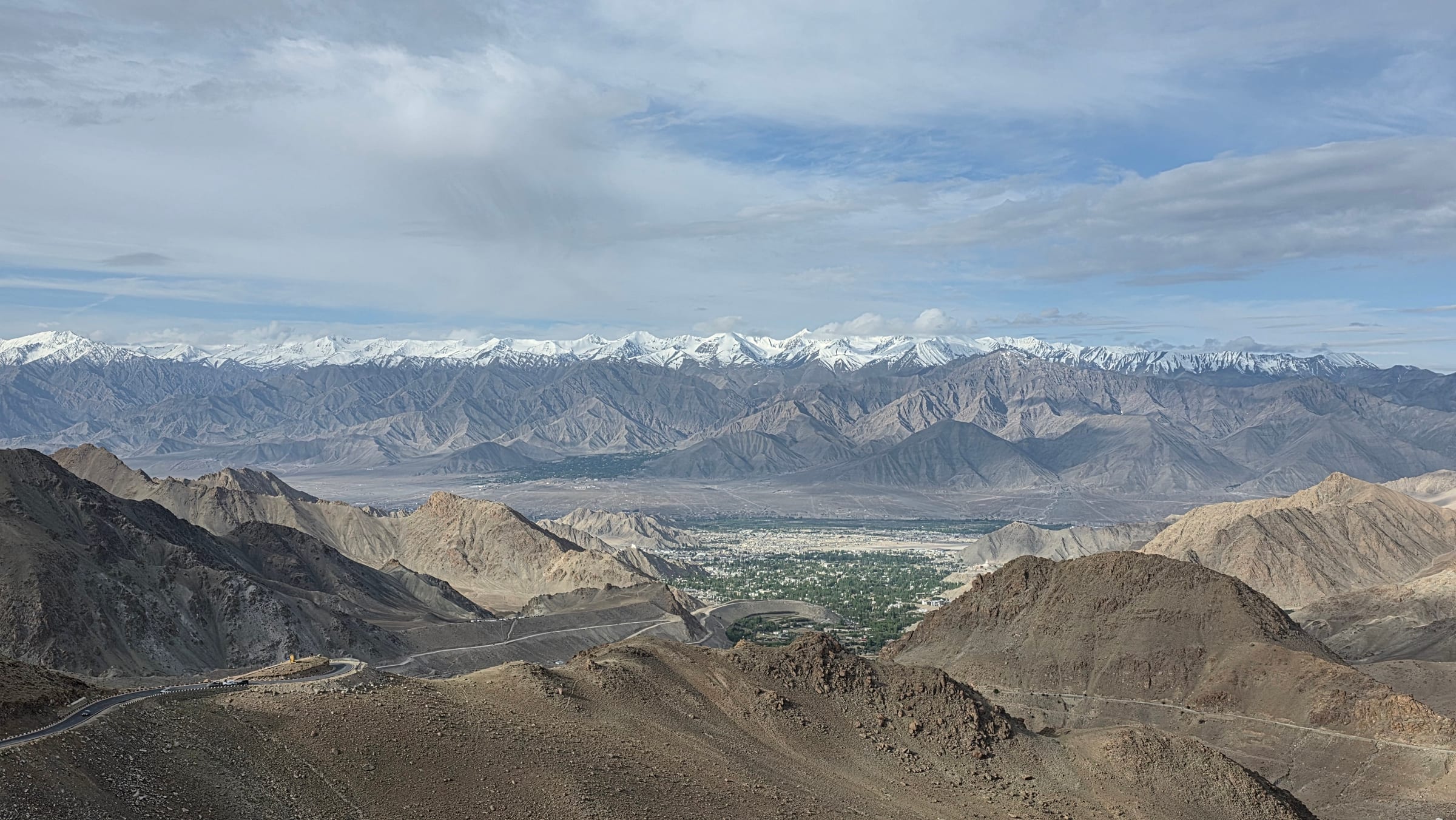
November through April: both highways close and Leh is reachable by flight only.
- That sounds like a limitation, but it opens a version of Ladakh few travellers see: the Zanskar river freezes solid enough for the Chadar trek, which typically opens in January and runs through February.
- This is also snow leopard season, with sightings around Hemis National Park and Ulley peaking in January.
- Losar, the Ladakhi new year, falls sometime between mid-December and early January depending on the lunar calendar, and monasteries mark it with real energy.
- It is a harder trip logistically, extreme cold, limited daylight, but it is not a lesser one.
The best month is not a date. It is an answer to what you want the trip to feel like.
How we plan around the calendar
We do not hand every traveller the same “best time to visit” answer, because there is not one. If you want the passes and villages fully open with no risk of a closed road, we build your trip for June through September. If you want quieter viewpoints and do not mind cooler nights, we point you toward late May or October instead. And if you are chasing something rarer, a frozen river, snow leopard tracks, a monastery mid-festival, winter is its own kind of trip, and we plan for that too.
None of this is guesswork on our end. We watch road conditions and permit windows every season, so the month you book is the month that actually delivers what you came for.
Not sure which month fits your trip?
Tell us what you are picturing, wide open roads or a quiet frozen river, and we will tell you the month that gets you there.